Montevideo Travel Guide: Why It’s Worth the Splurge (Guest Post from Bonus Nachos)
Today we’re sharing a travel post we really liked from Bonus Nachos, written by Eric. In “Montevideo Is Worth the Splurge,” he talks about what it’s actually like spending time in Uruguay’s capital, how he got around, the museums and attractions he visited, what daily life felt like, and how much things cost along the way.
We reached out for permission before reposting and are happy to share his work here with full credit to the original author. If you enjoy it, definitely check out the original on Bonus Nachos.
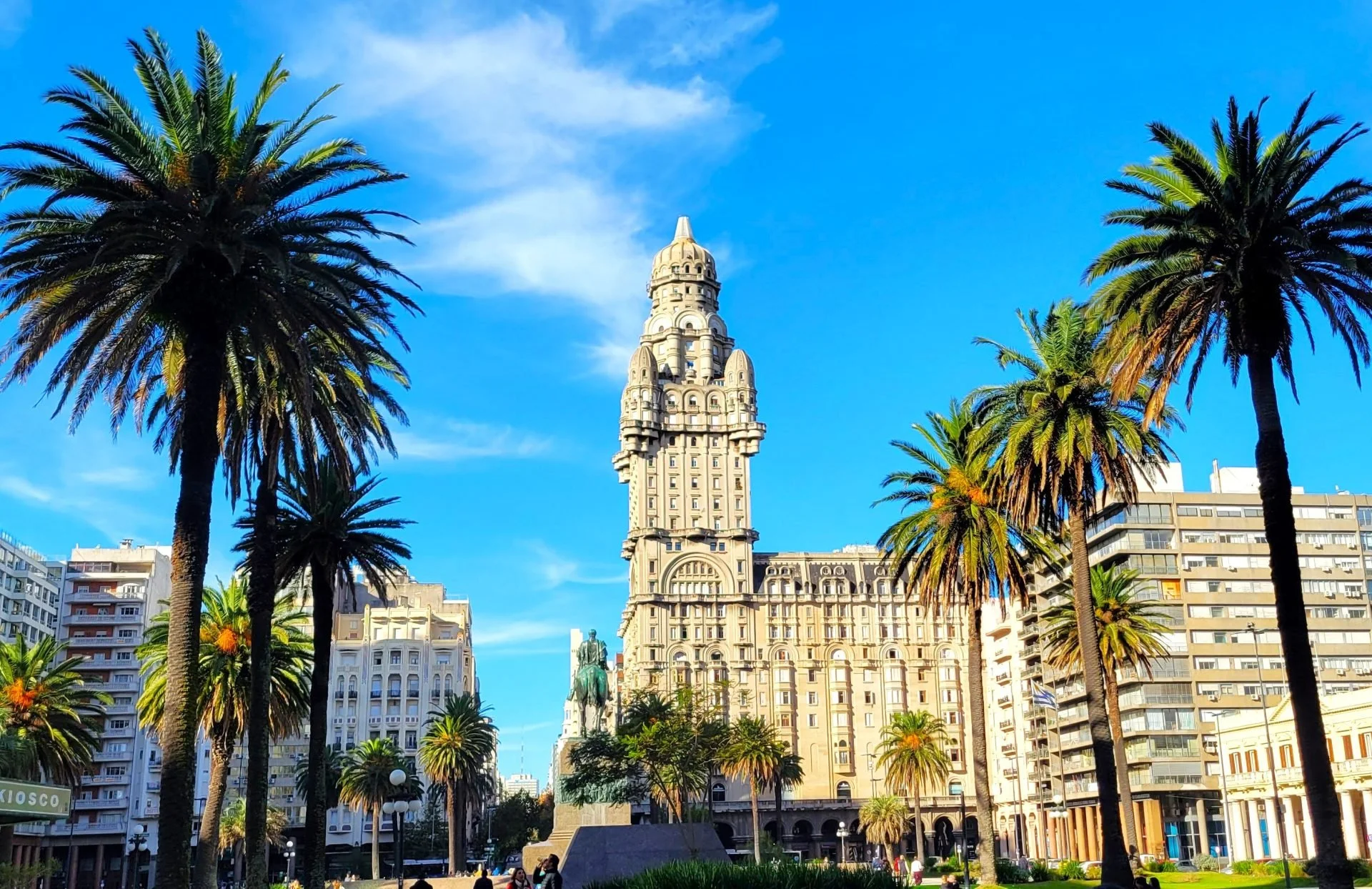
Palacio Salvo
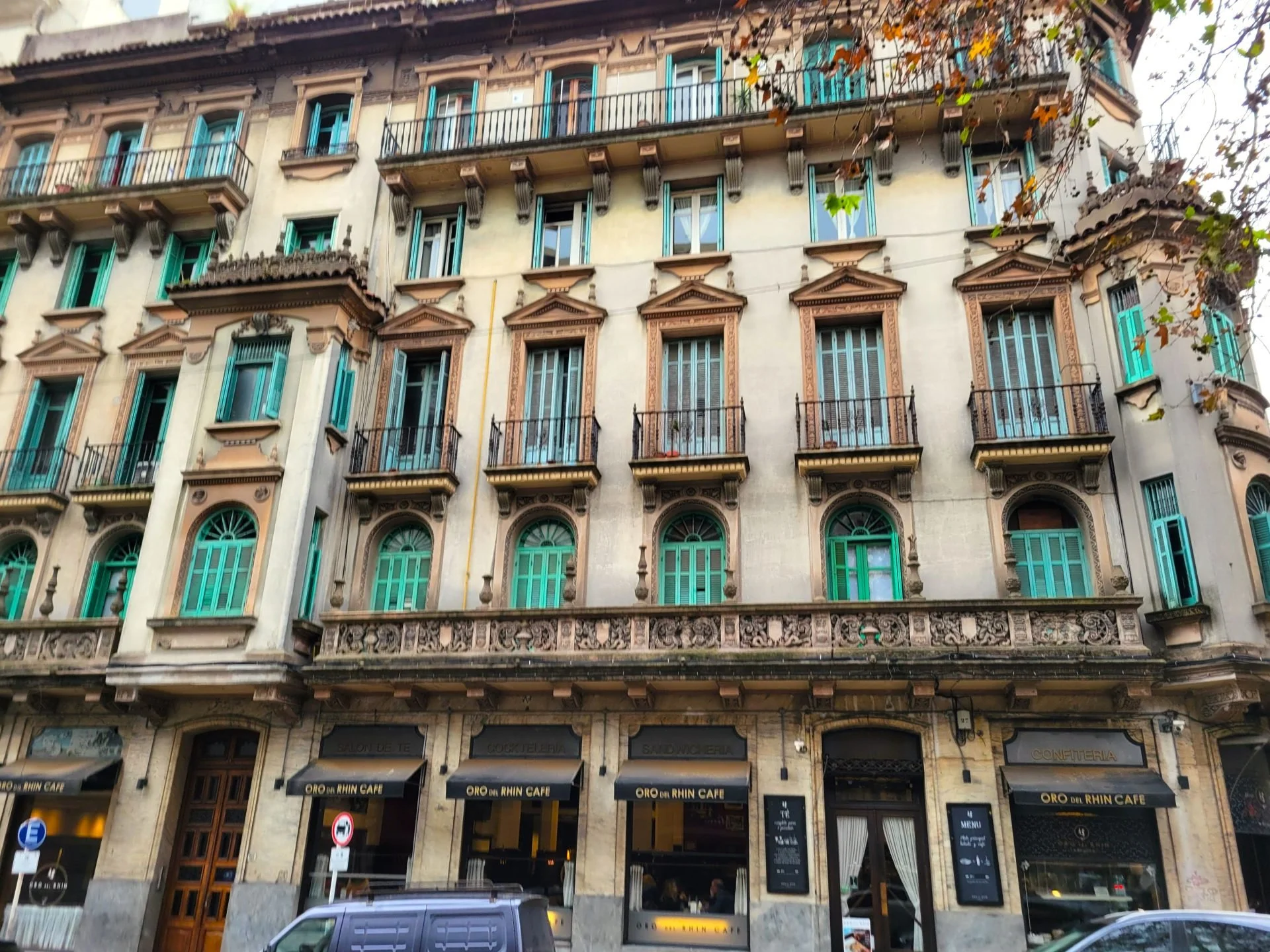
Montevideo is full of unique architecture, palm trees, and ocean breezes. The port city and capital of Uruguay is a pleasant destination, consistently ranked at the top when it comes to quality of life in Latin America. We stayed in the Old Town area, which is very walkable and has a nice pedestrian-only street bisecting it. We spent our time gazing at the interesting buildings, appreciating the locally-focused museums, and strolling along the salt water.
Montevideo has the online reputation of being both expensive and boring. The city certainly quieted down as soon as the sun went down, which was pretty early during our winter visit. So if you’re looking for a party, this would not be the place. But we kind of like quiet evenings, as we pretty much only go out during the day. Day-to-day expenses also felt higher than Buenos Aires, which is, for better or worse, the most obvious point of comparison. We certainly spent more in Montevideo, although a large part of that was because we chose to book a super fancy apartment.
What We Did
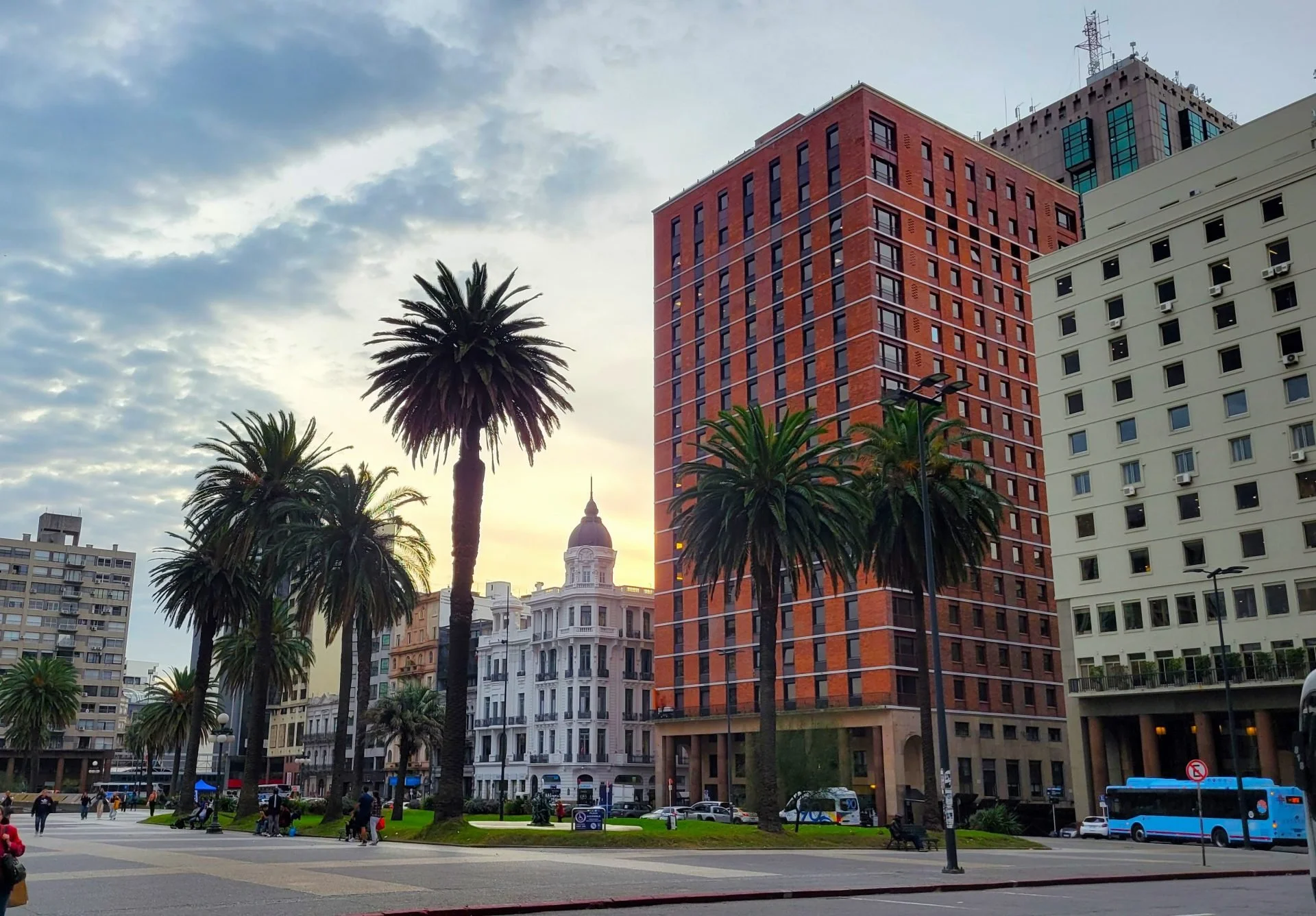
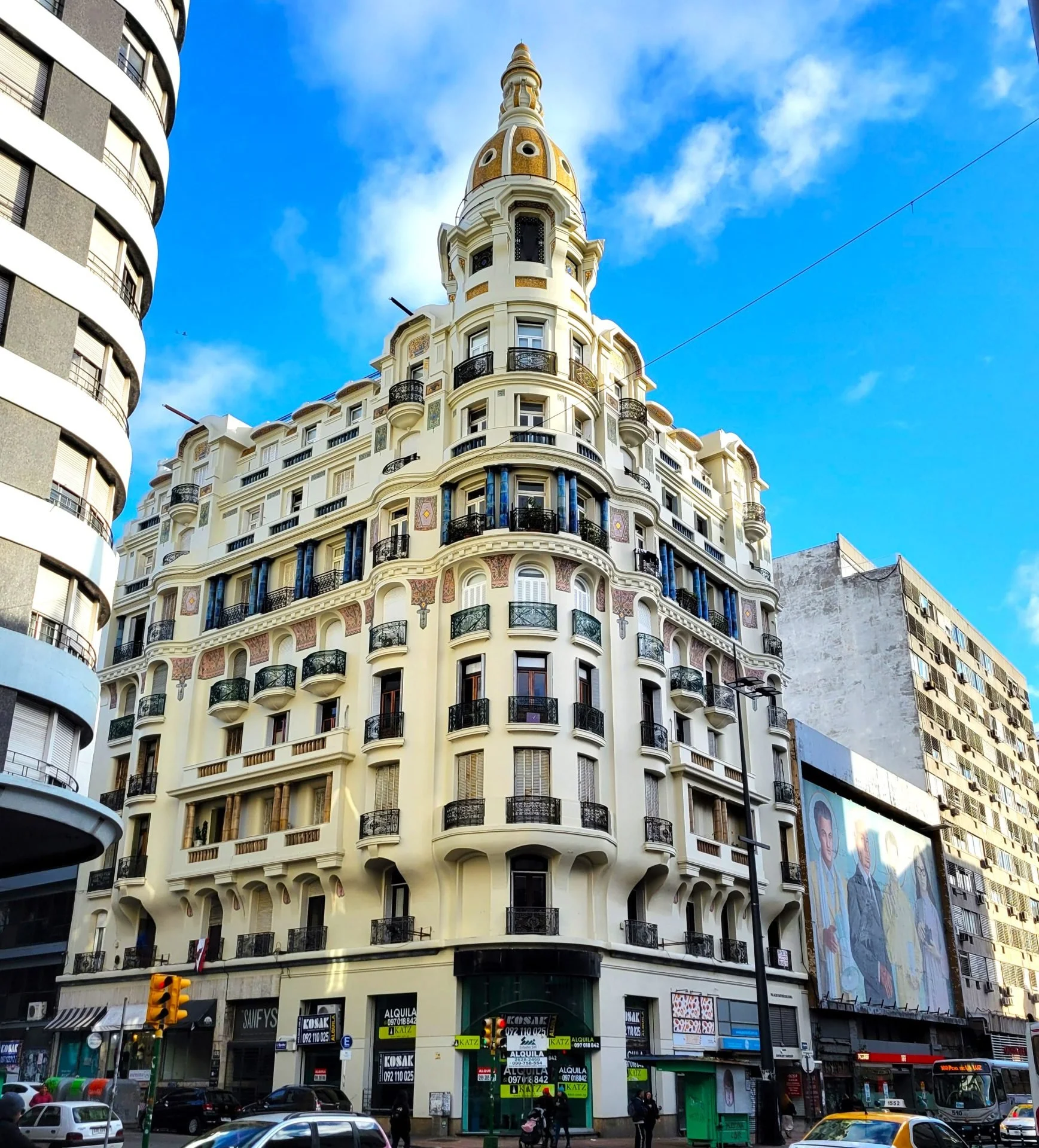
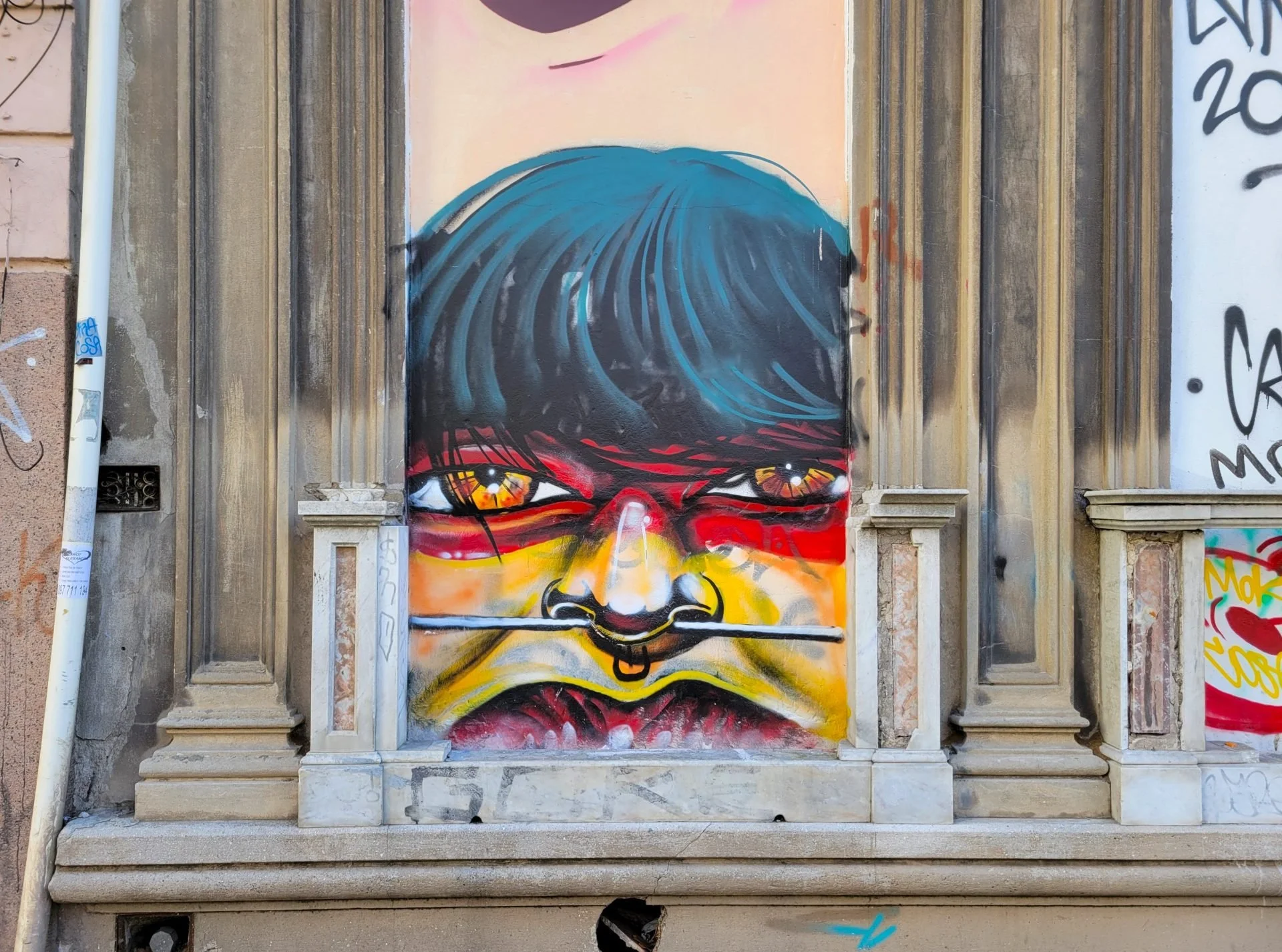
We did a lot of walking around, admiring the interesting architecture that’s scattered throughout the city. There were a number of museums featuring local artists that were great. The coastal promenade was consistently enjoyable and a great place to find shore birds. But what we didn’t have to do was as important as what we did. We didn’t have to fight off swarms of mosquitoes anymore, so that was a big plus.
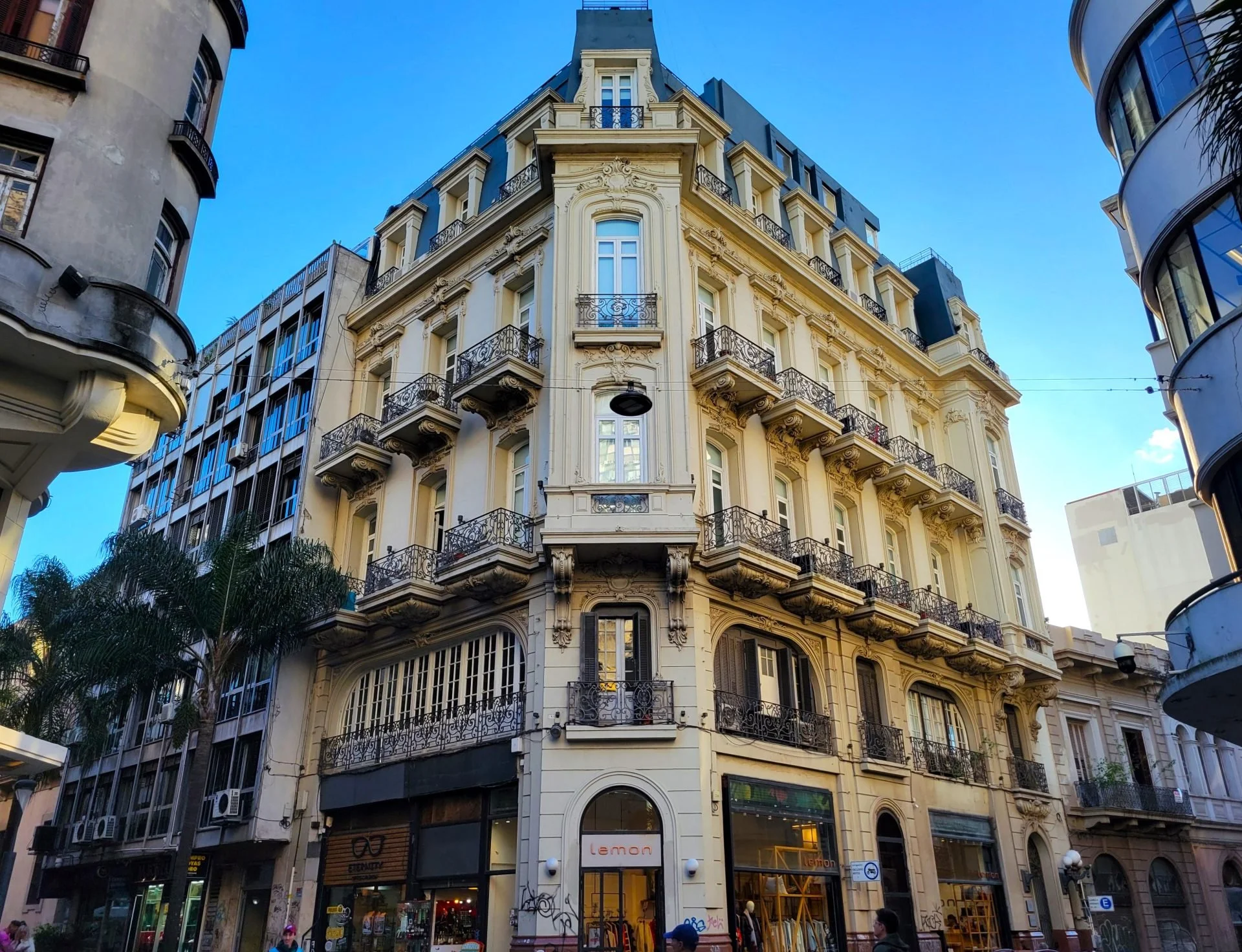
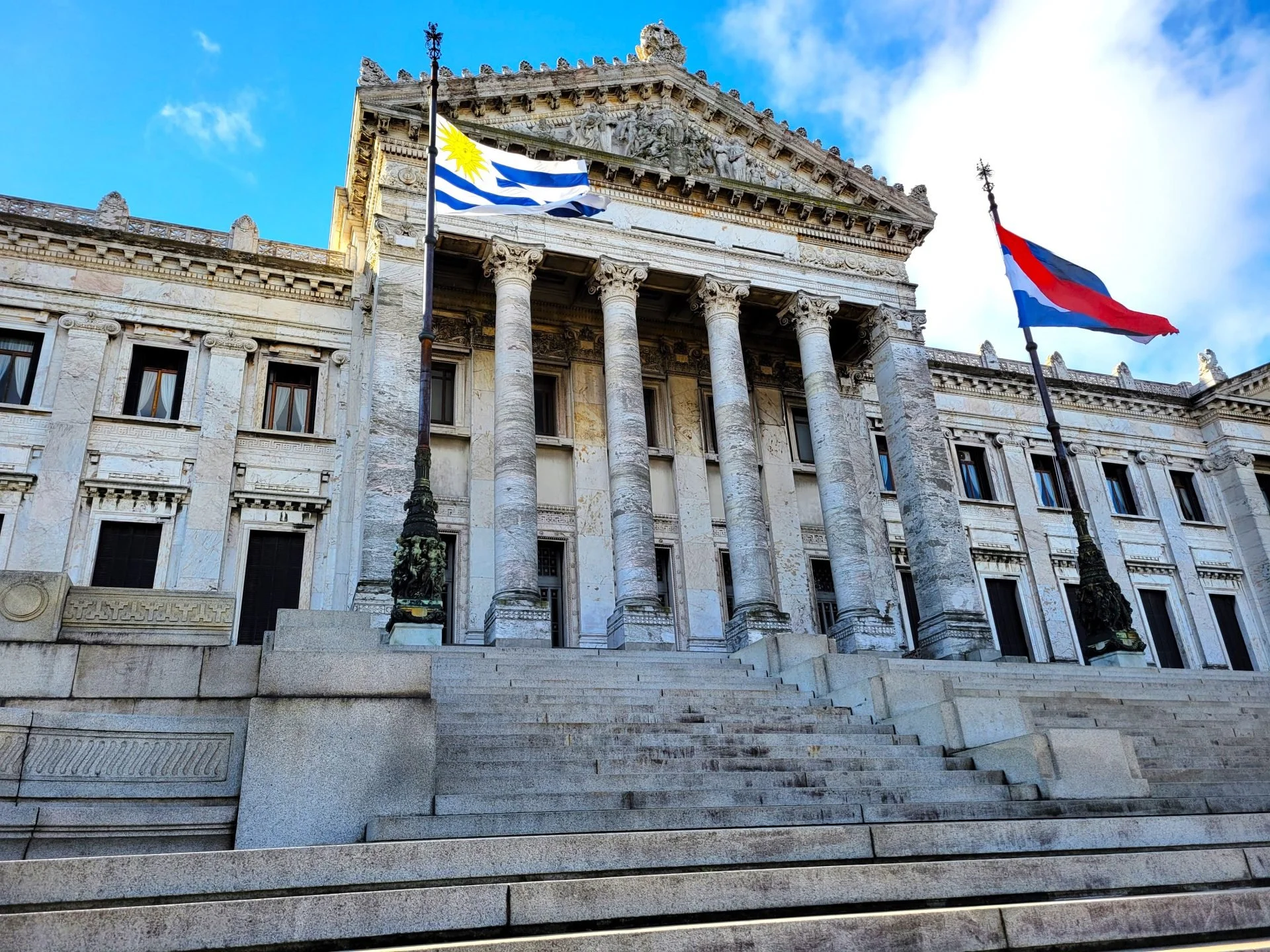
The Legislative Palace – Uruguay’s parliament building
La Rambla
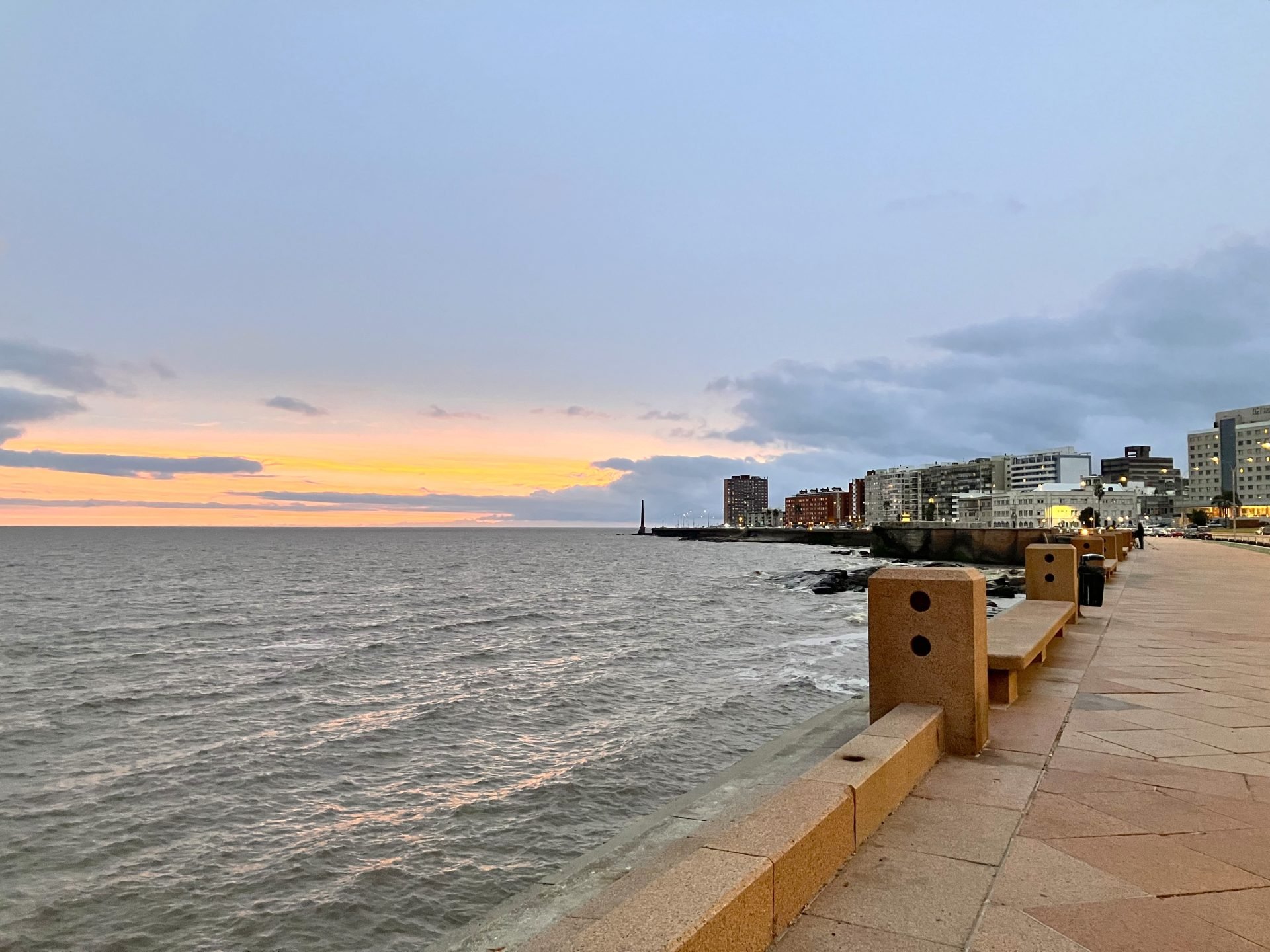
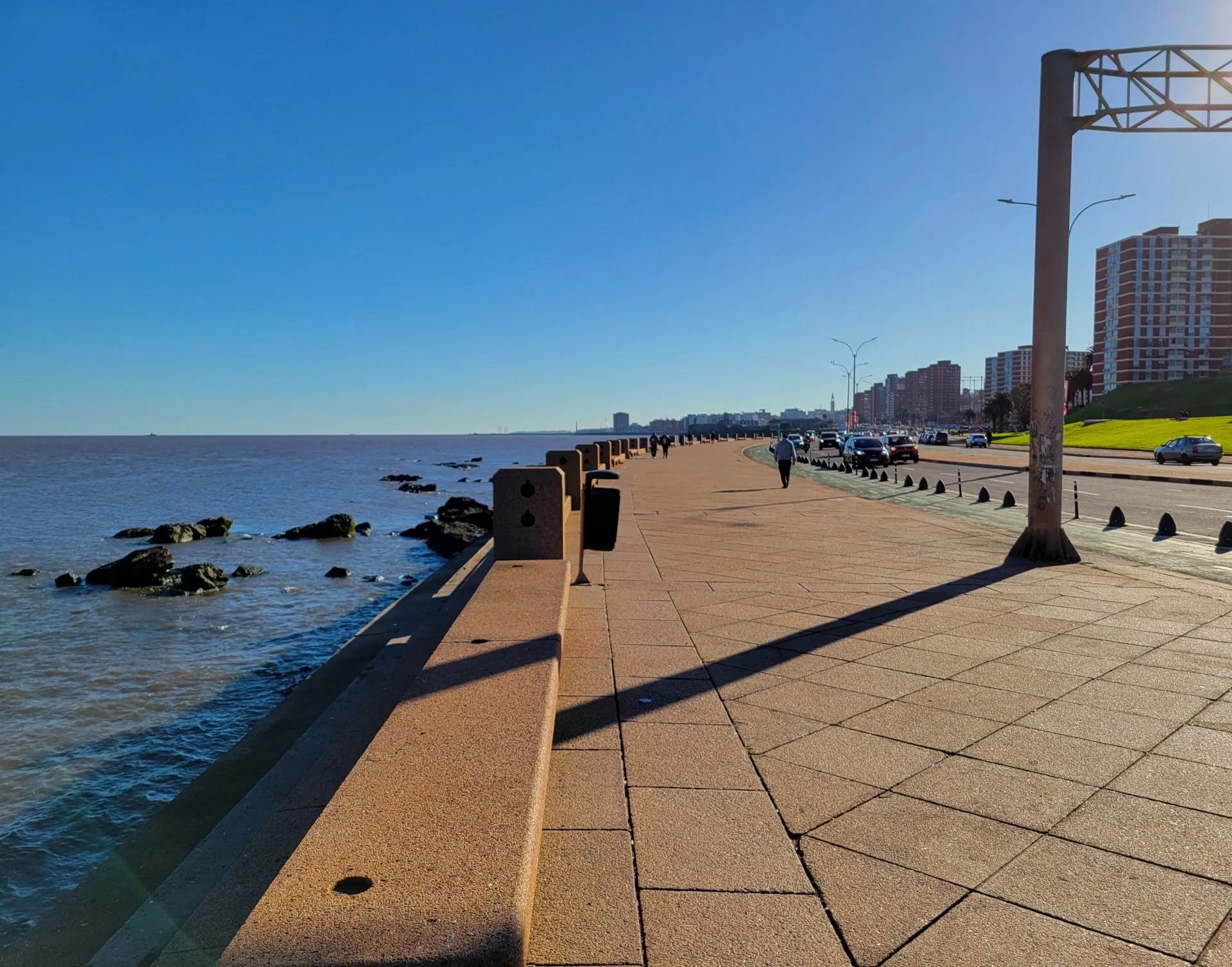
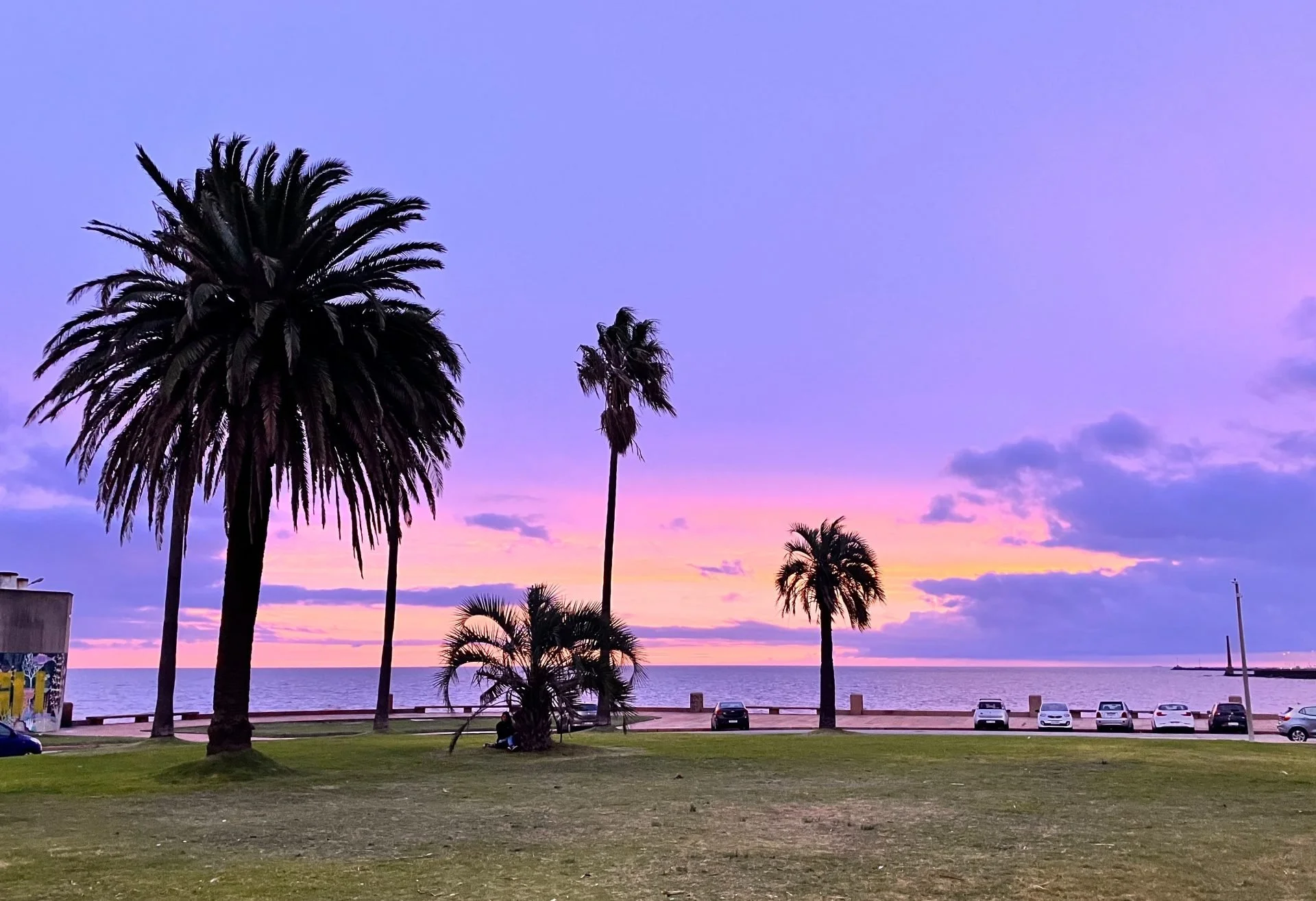
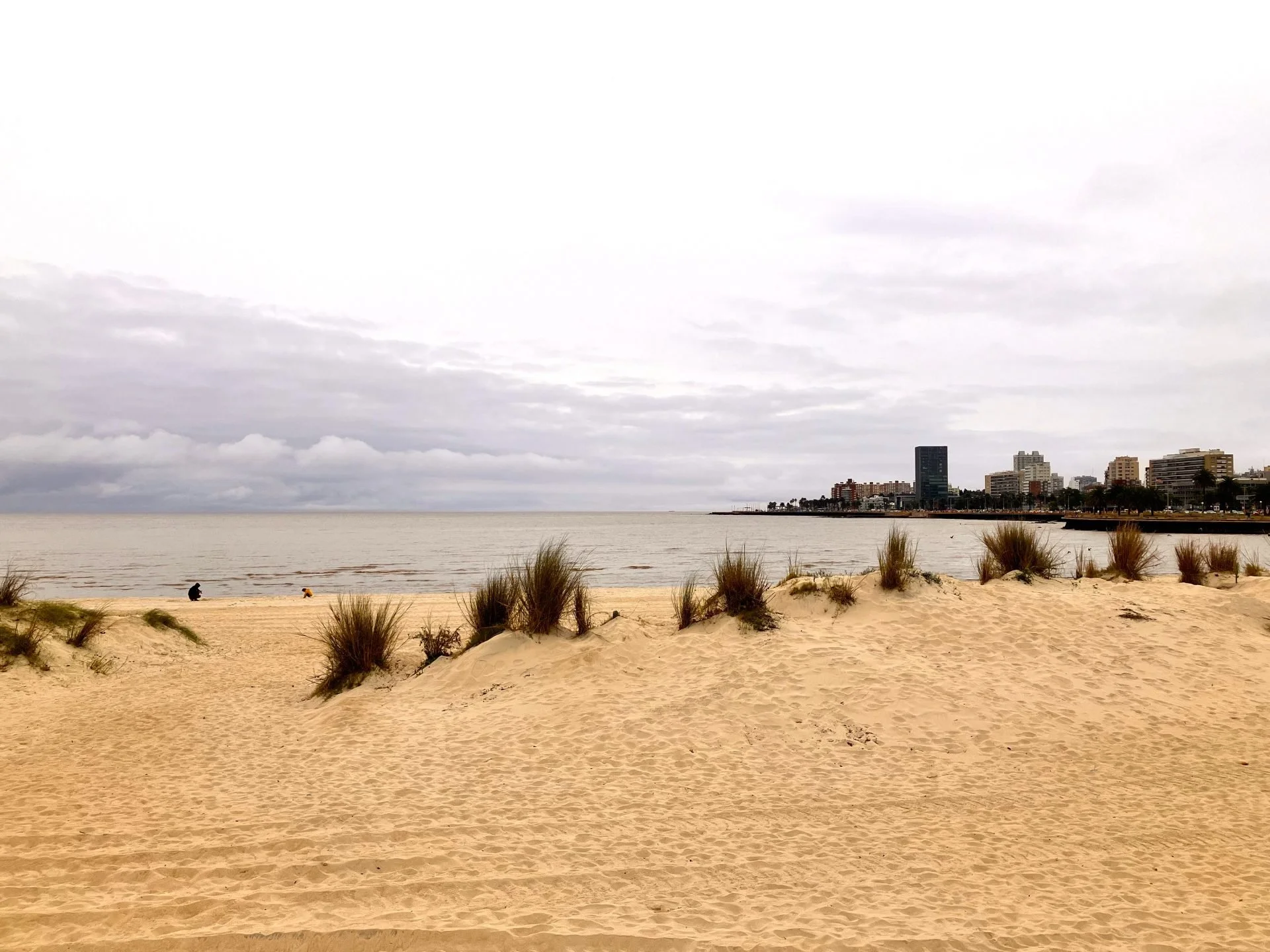
Following the coast along the south edge of the city, La Rambla is a popular multi-use path. Our forays along the coast of the Atlantic were joined by scores of other walkers, runners, bike riders, and rollerbladers of all ages. We did not see any exotic marine life, but we did find cormorants, herons, and egrets. And of course monk parakeets, which are almost as ubiquitous as pigeons here. There are also a few soccer fields, playgrounds, and even a skating ring where roller skaters, rollerbladers, and kids with scooters could roll around with a great view. You can even find some beaches if you’re willing to venture a ways from downtown. It’s a popular place to get some steps in, have a mate by the water, or catch a sunset.
Museo Torres García
One of Uruguay’s most celebrated artists is Joaquín Torres García. The museum dedicated to his art was a great stop. We both really enjoyed his portraits and he has some interesting landscapes as well. We primed ourselves for this museum by viewing a print of his work that was hanging in the second bedroom of our fancy apartment. It’s a great piece and I was really looking forward to seeing the original. That turned out to be a disappointment, as the original painting is not displayed in the Joaquín Torres García Museum, but instead it’s at the NYC MoMA. So the one painting I was most excited to see wasn’t even there! Nevertheless it is a really nice collection and definitely a must see when in Montevideo.
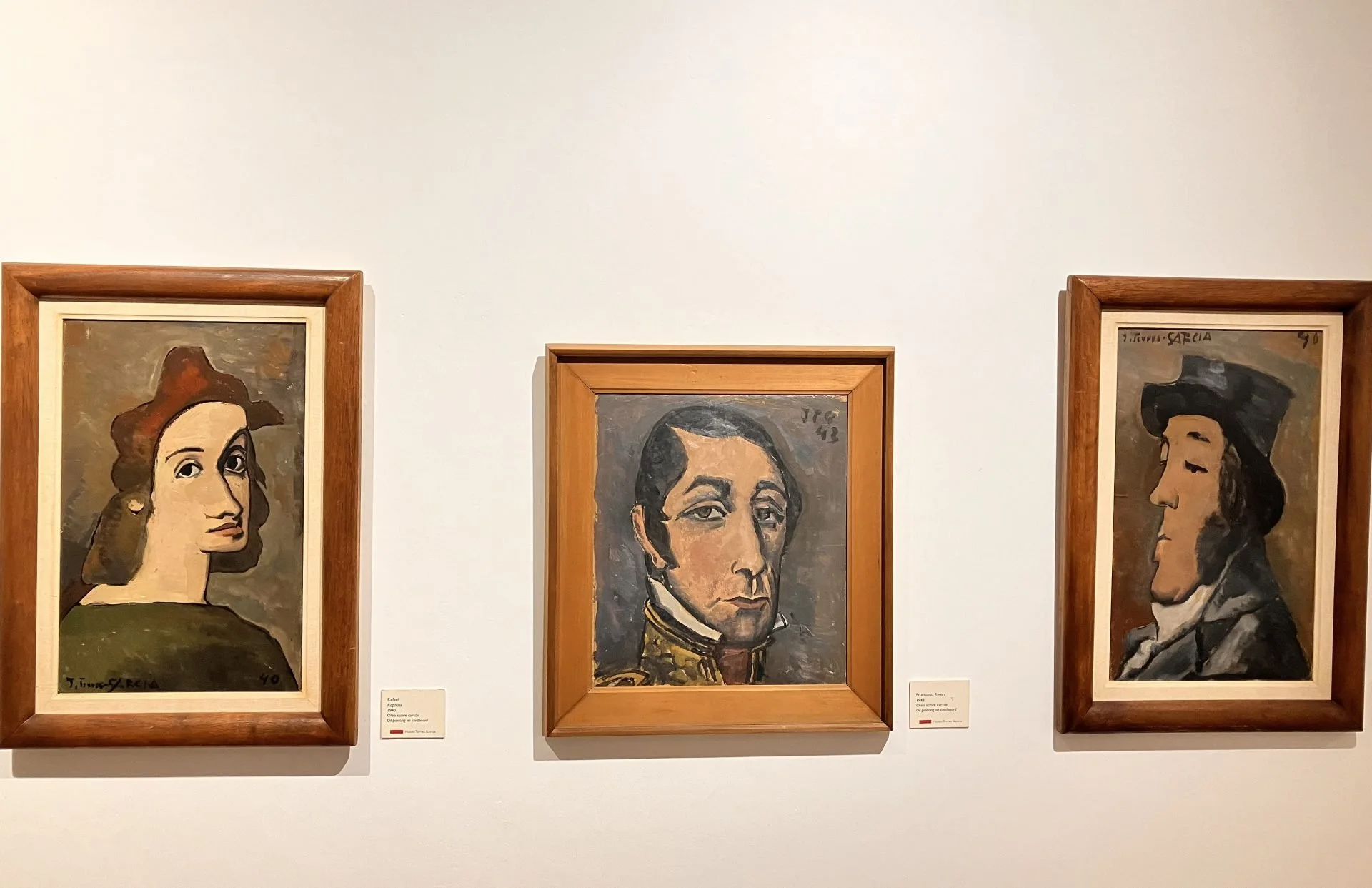
Various portraits by Joaquín Torres García
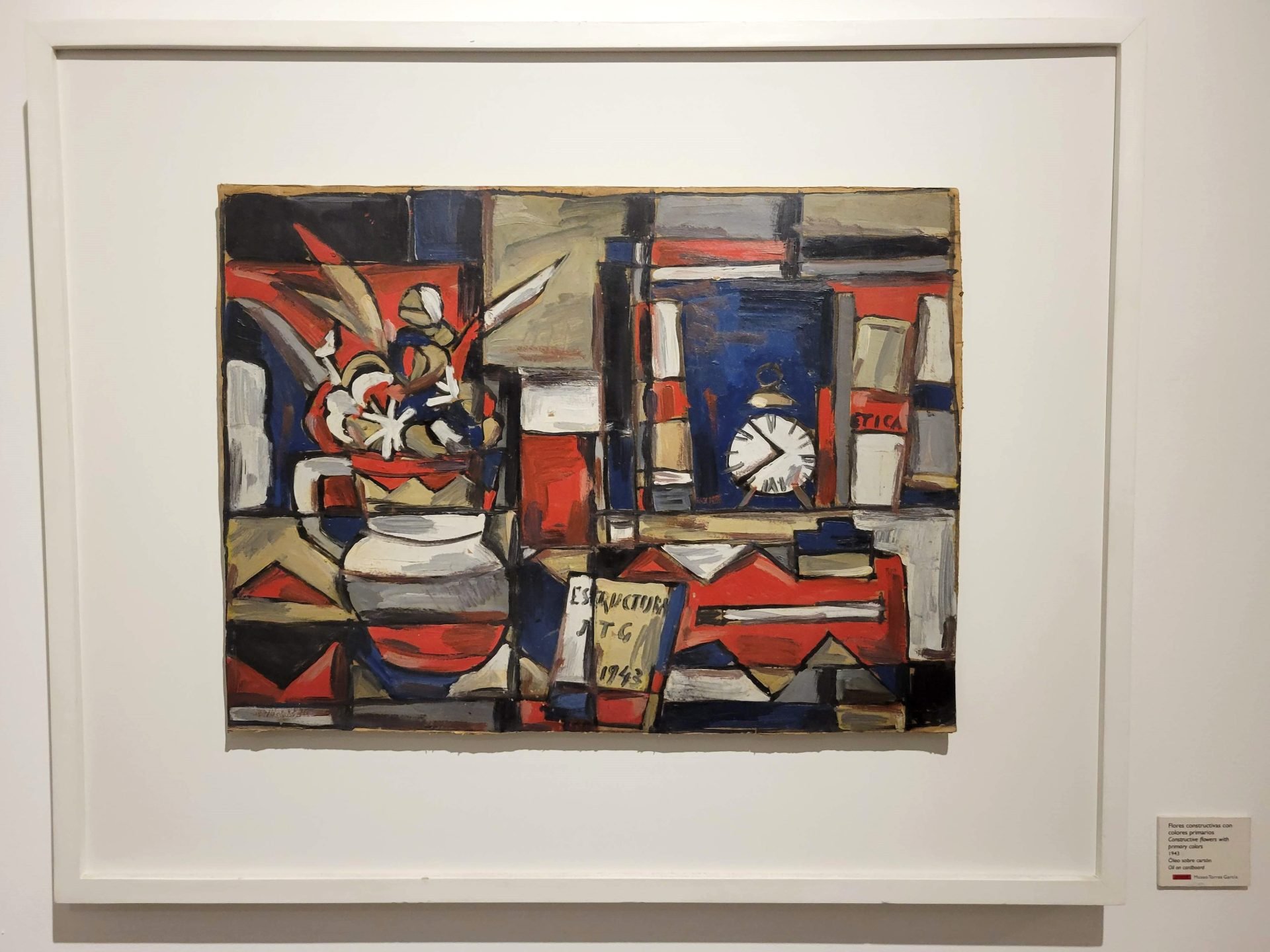
Flowers With Primary Colors by Joaquín Torres García
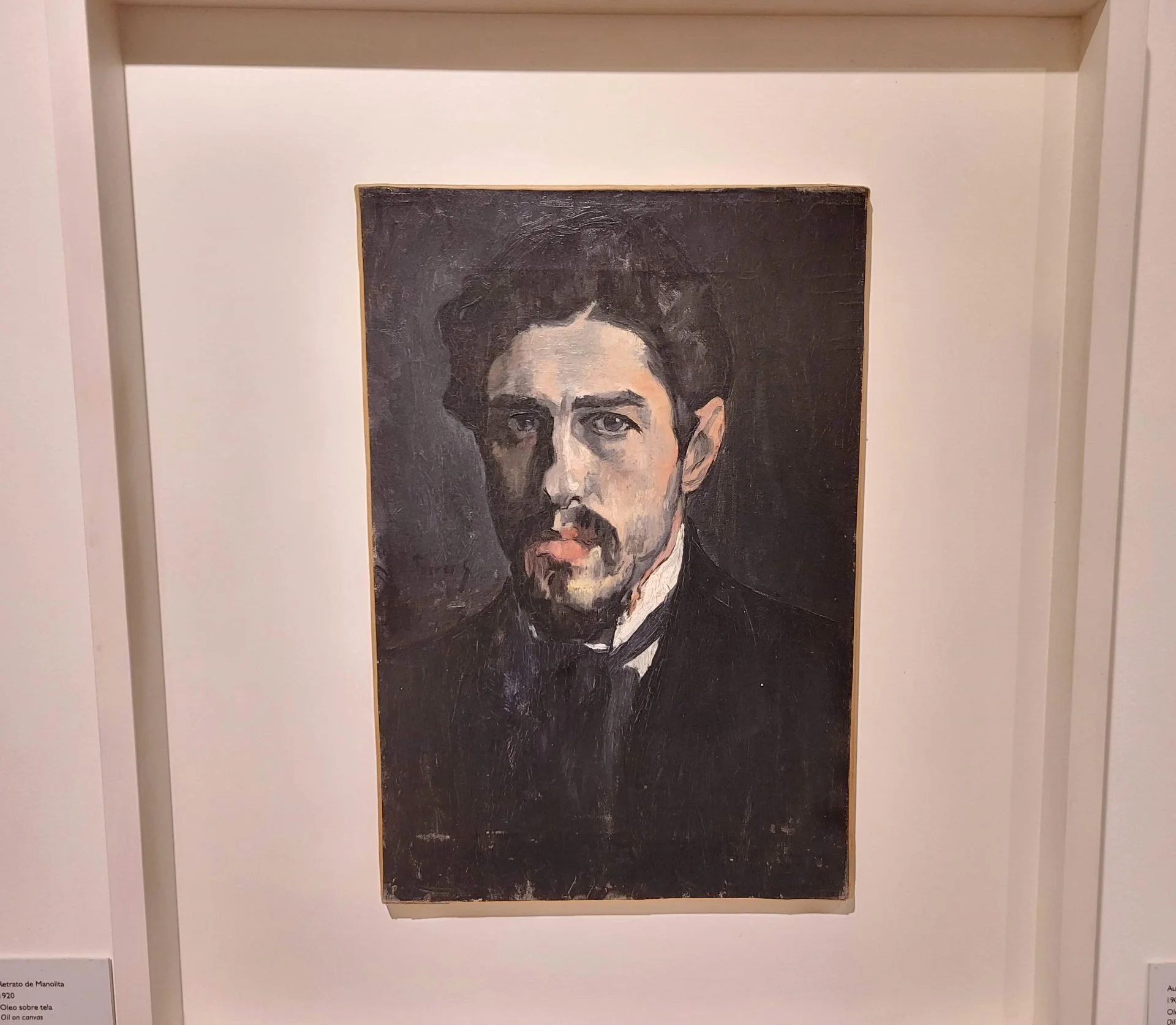
Self Portrait by Joaquín Torres García
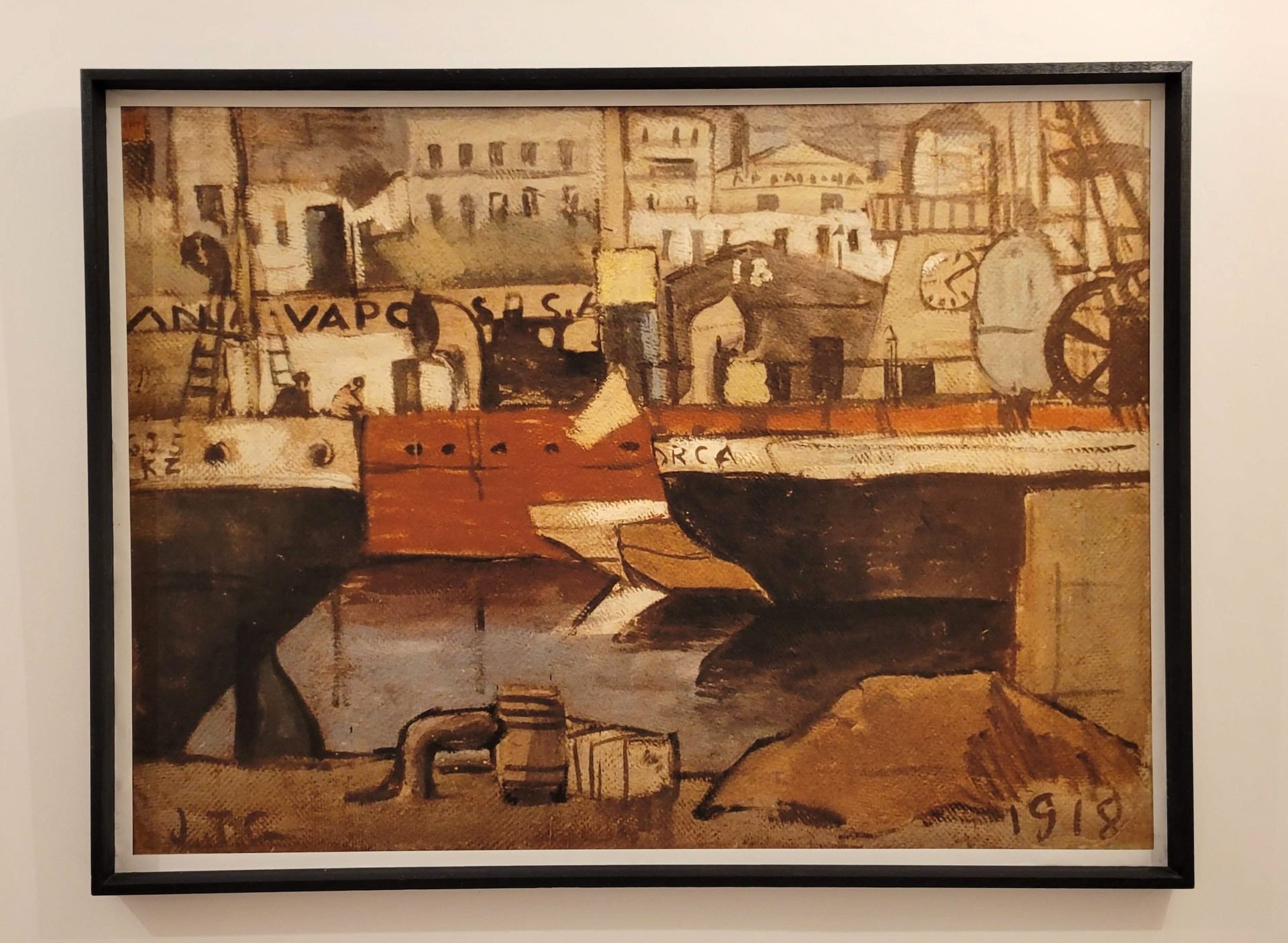
This was the print in our bedroom, titled the Port of Barcelona
Montevideo Metropolitan Cathedral
Montevideo’s main house of worship is a pretty grand sight. The Metropolitan Cathedral faces a small park and is open to the public daily. It has some nice tile floors, colorful walls and stained glass, along with lots of marble. There’s also a very fancy baptismal room.
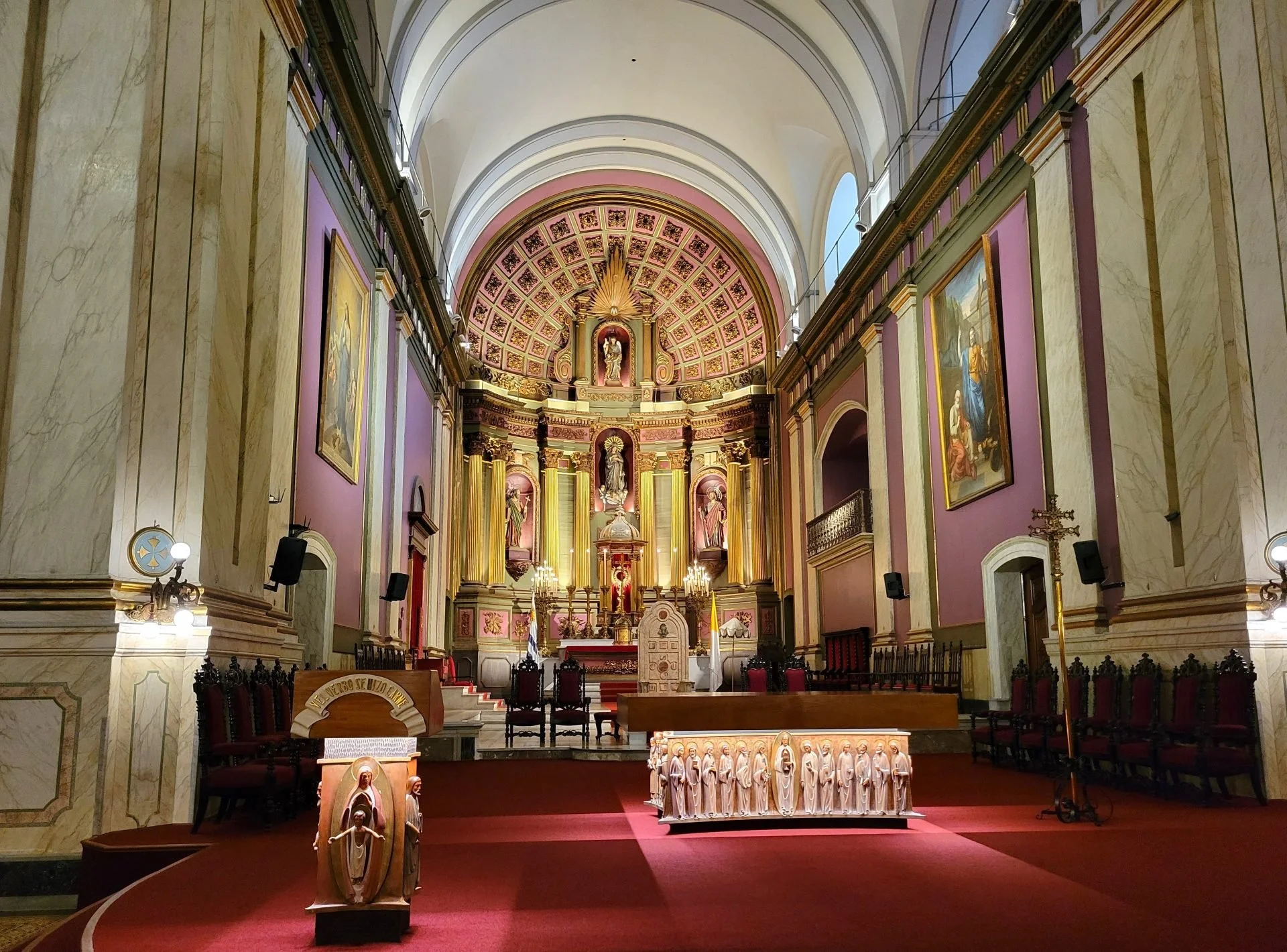
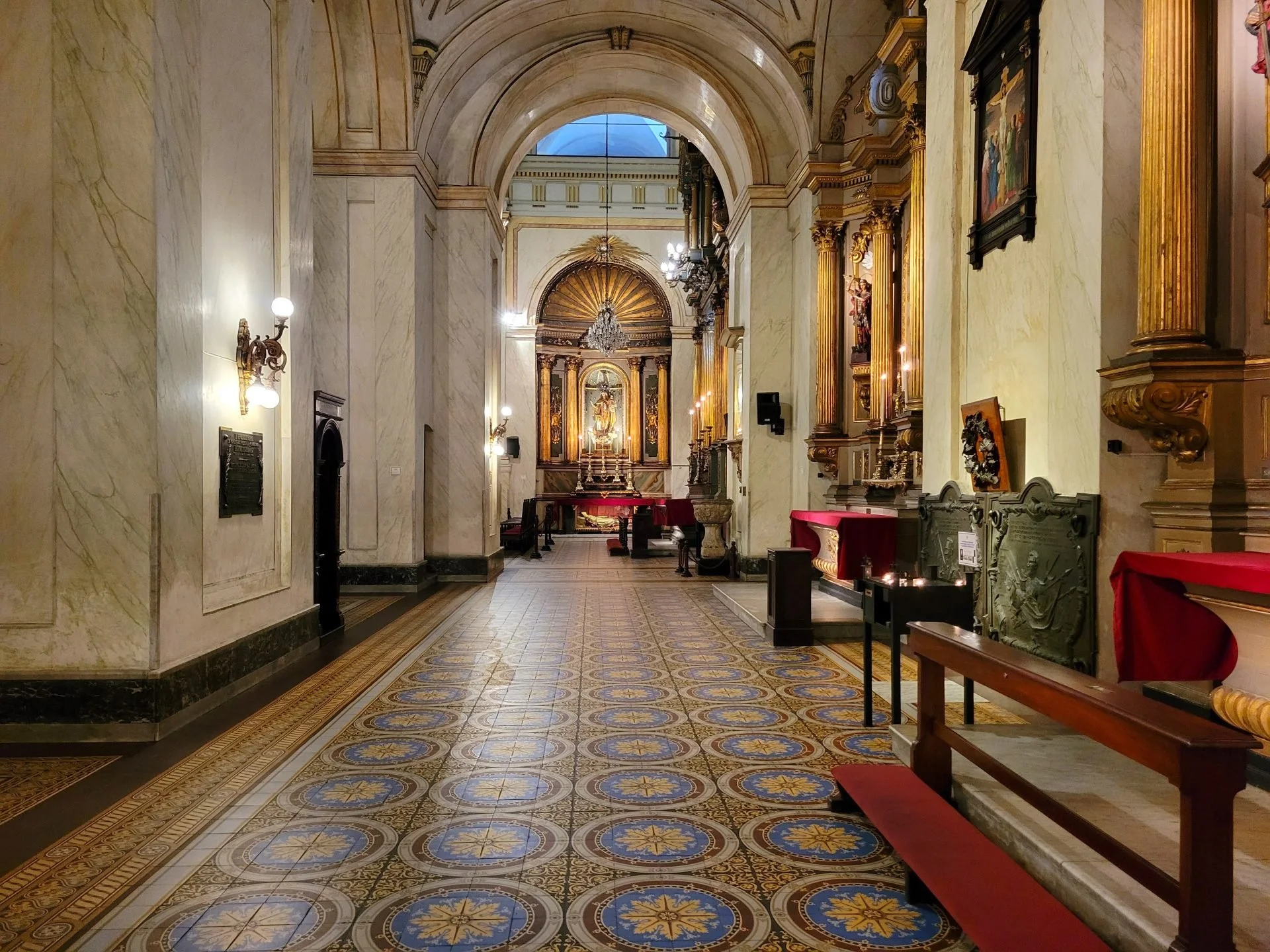
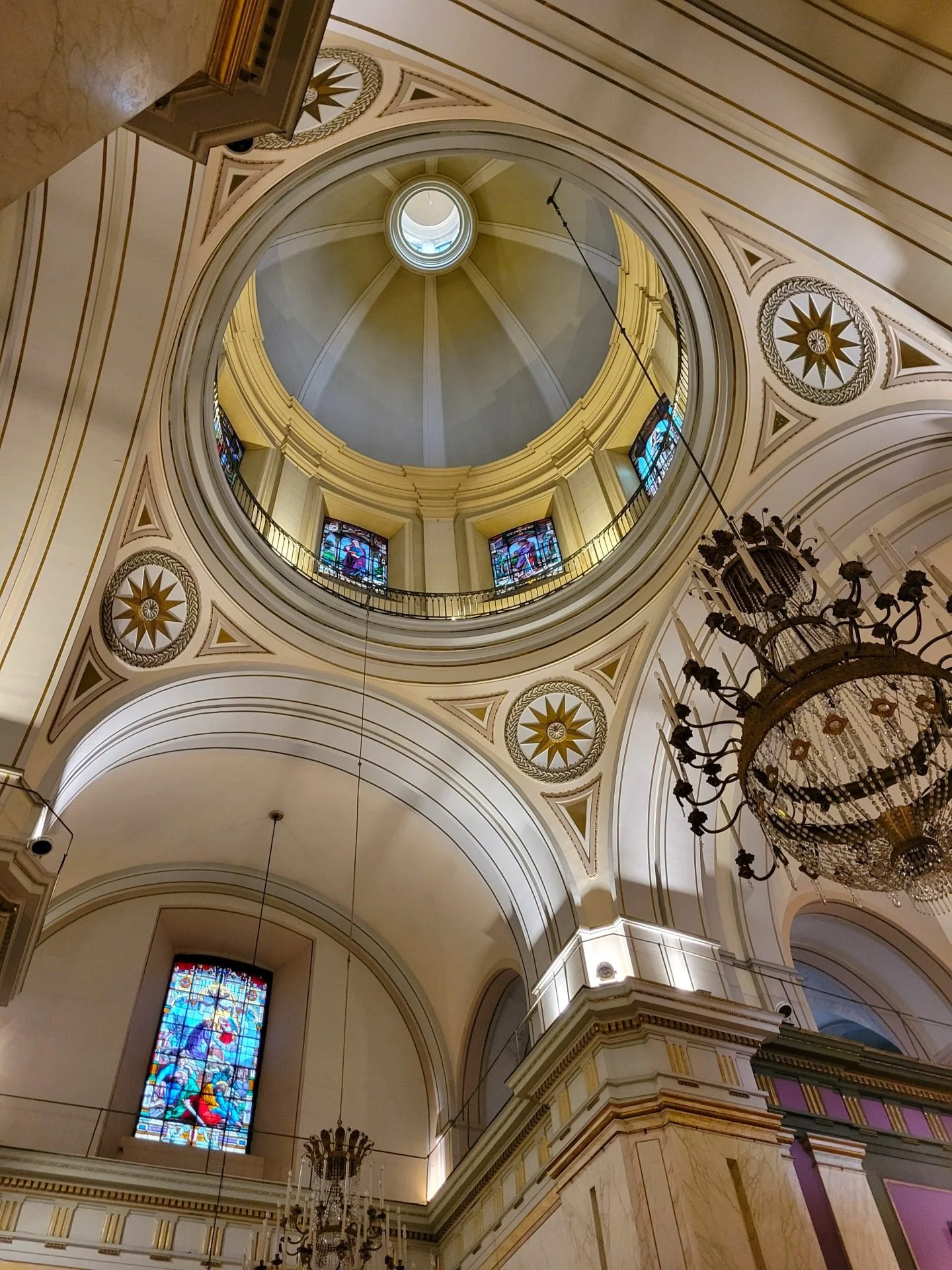
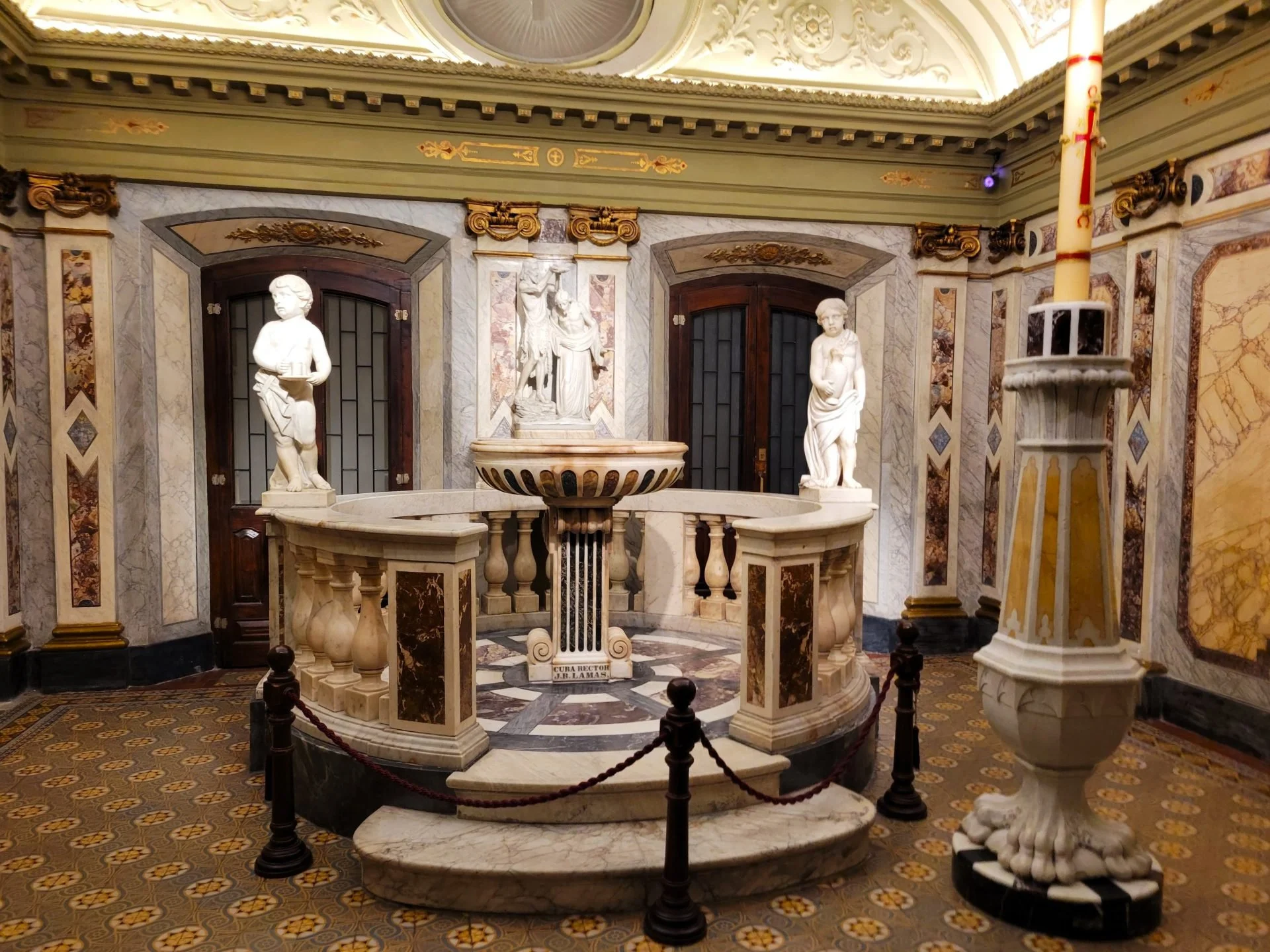
A lot of marble in this baptismal room
COLECCIÓN Engelman Ost
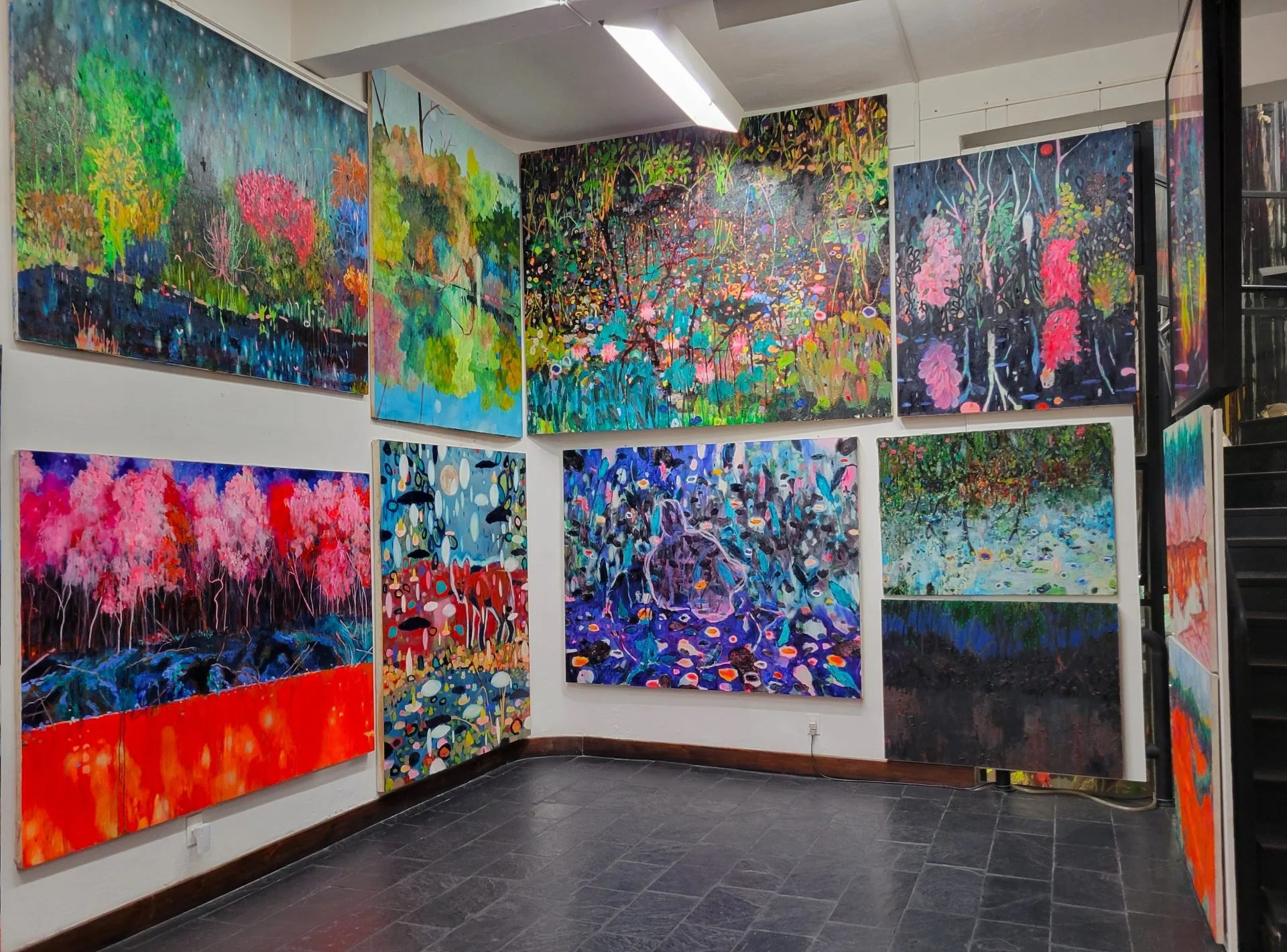
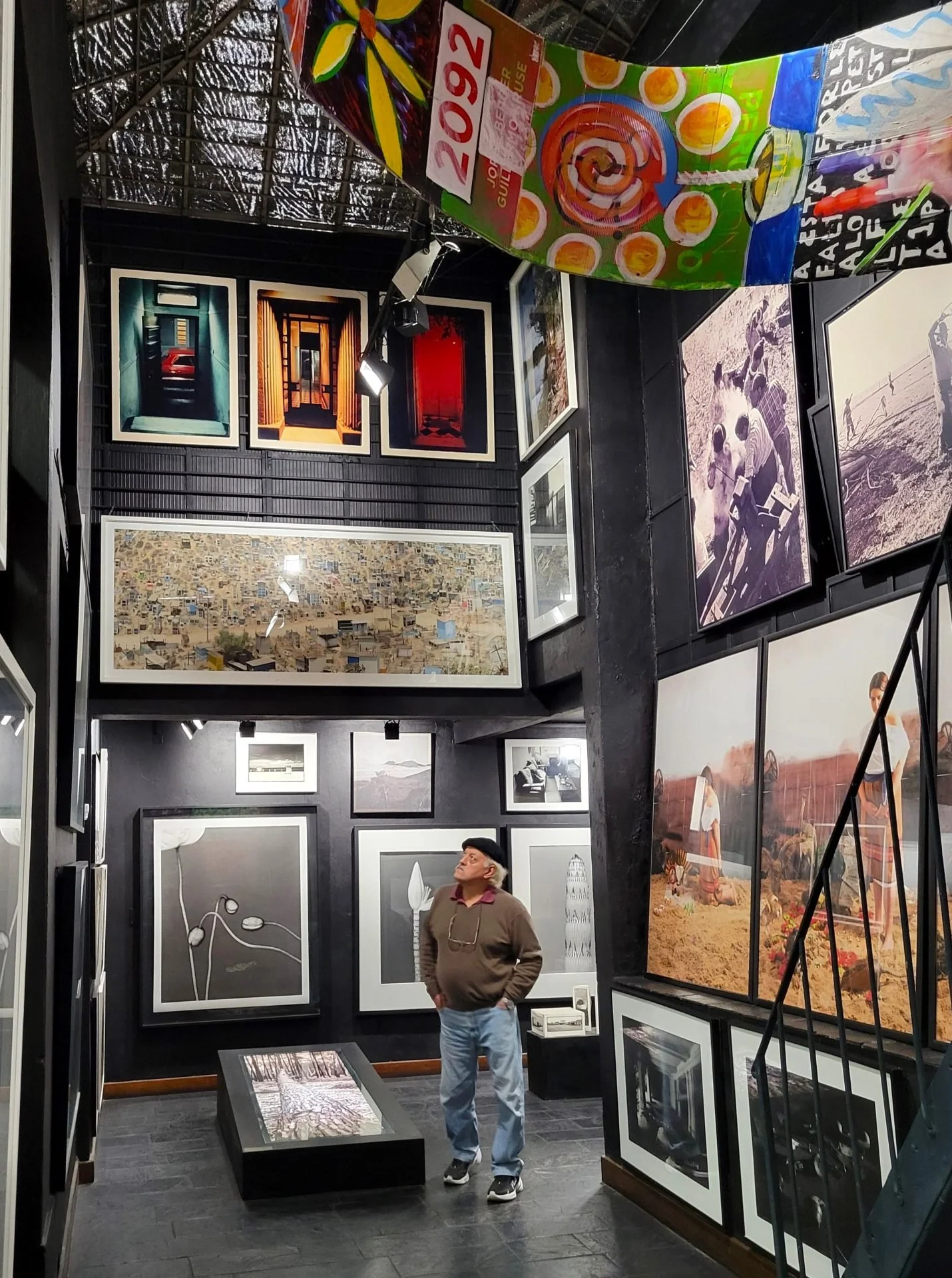
The Engelman Ost Collection is a impressive private museum that houses the largest collection of art in Montevideo, by far. The only way to see it is by appointment only. I’m not sure how often they open the doors, but the timing on our request turned out to be perfect. When I emailed to see if we could view the collection, they were having a guided group tour the next day. So in a first for us, Katie and I were exclusive members of a museum tour given by Fernando Lopez Lage, one of the artists with work on display. (None of the art had info plaques, so I don’t know the artists or titles of any of the work.)
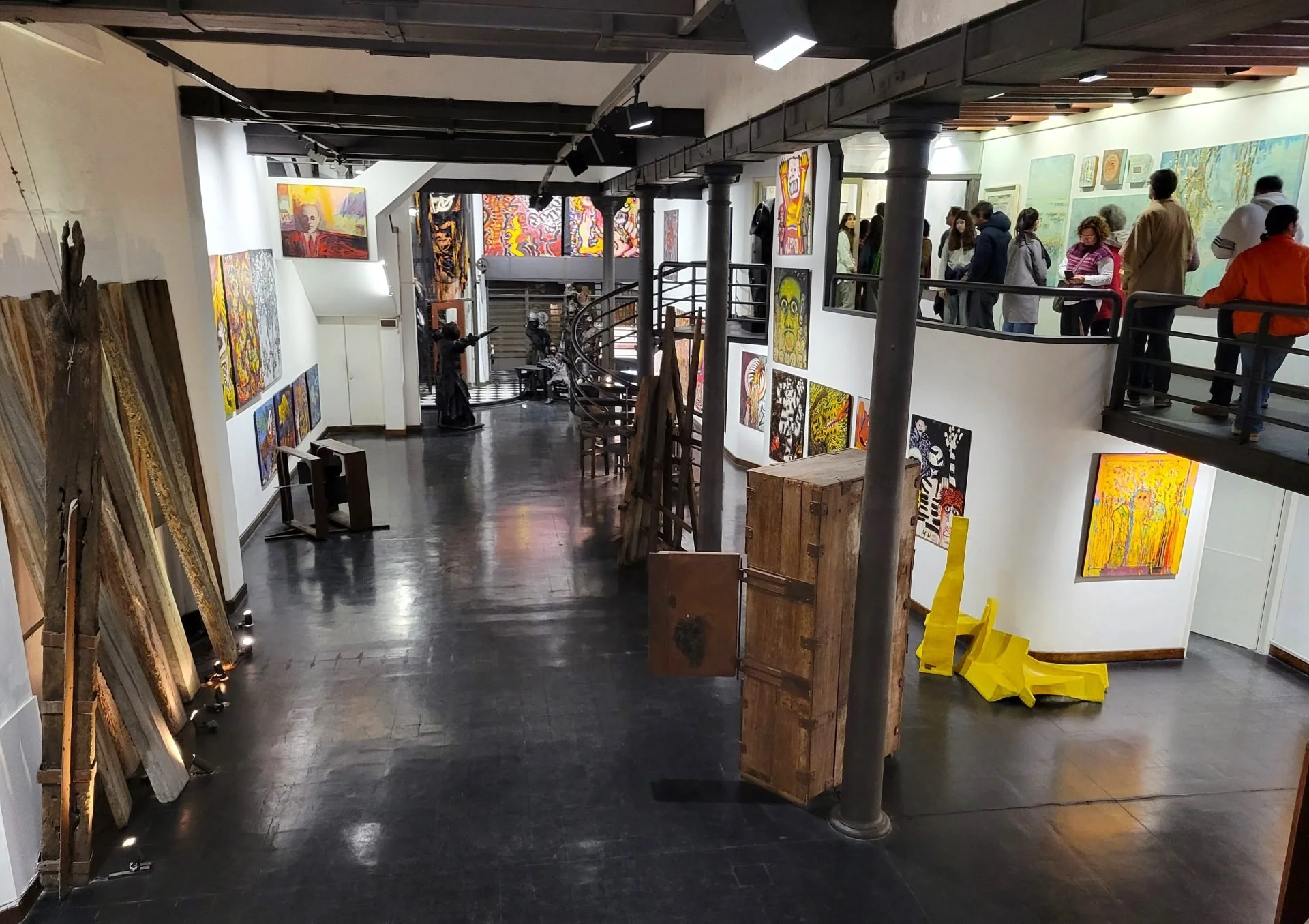
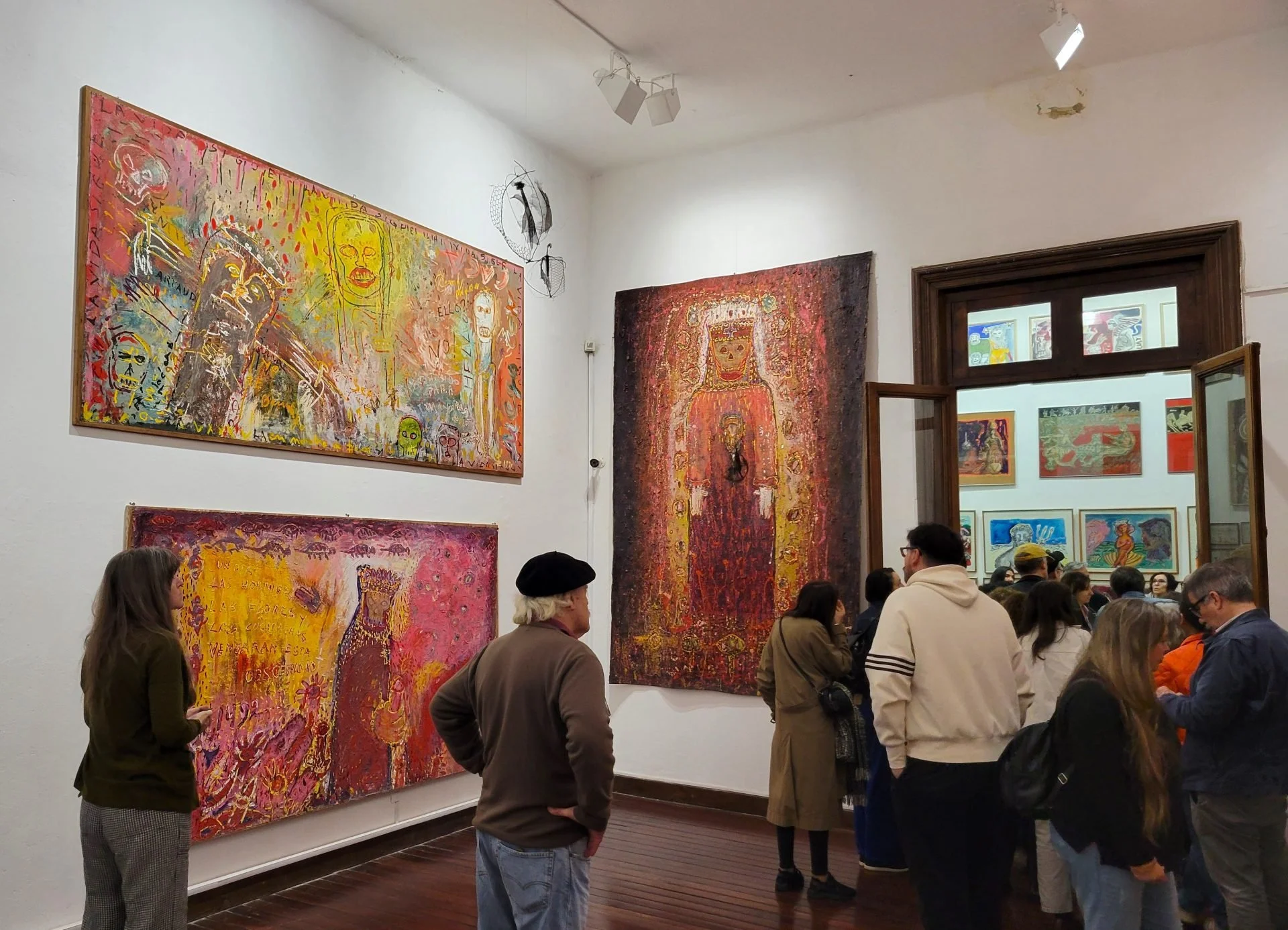
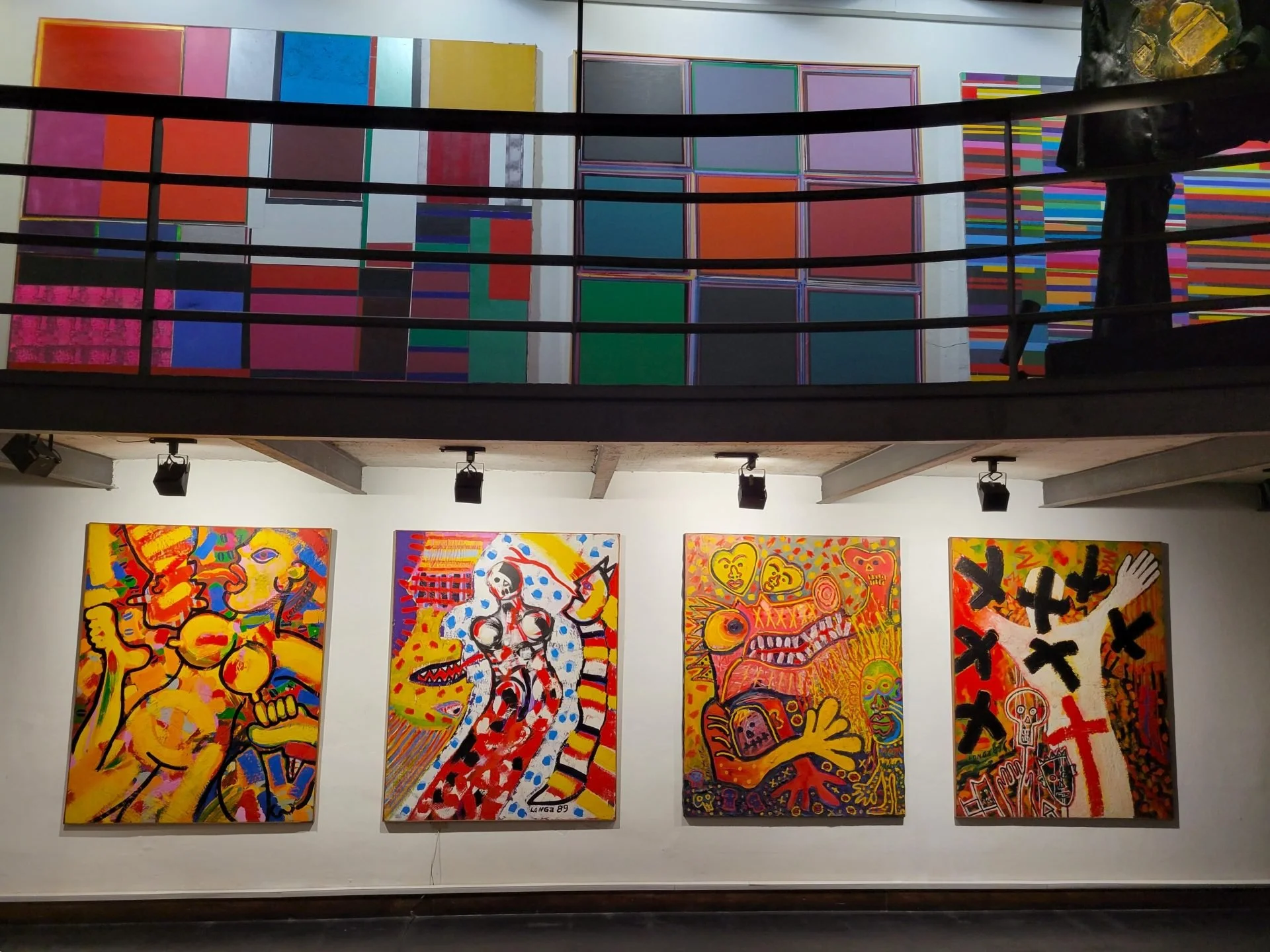
Tile Museum
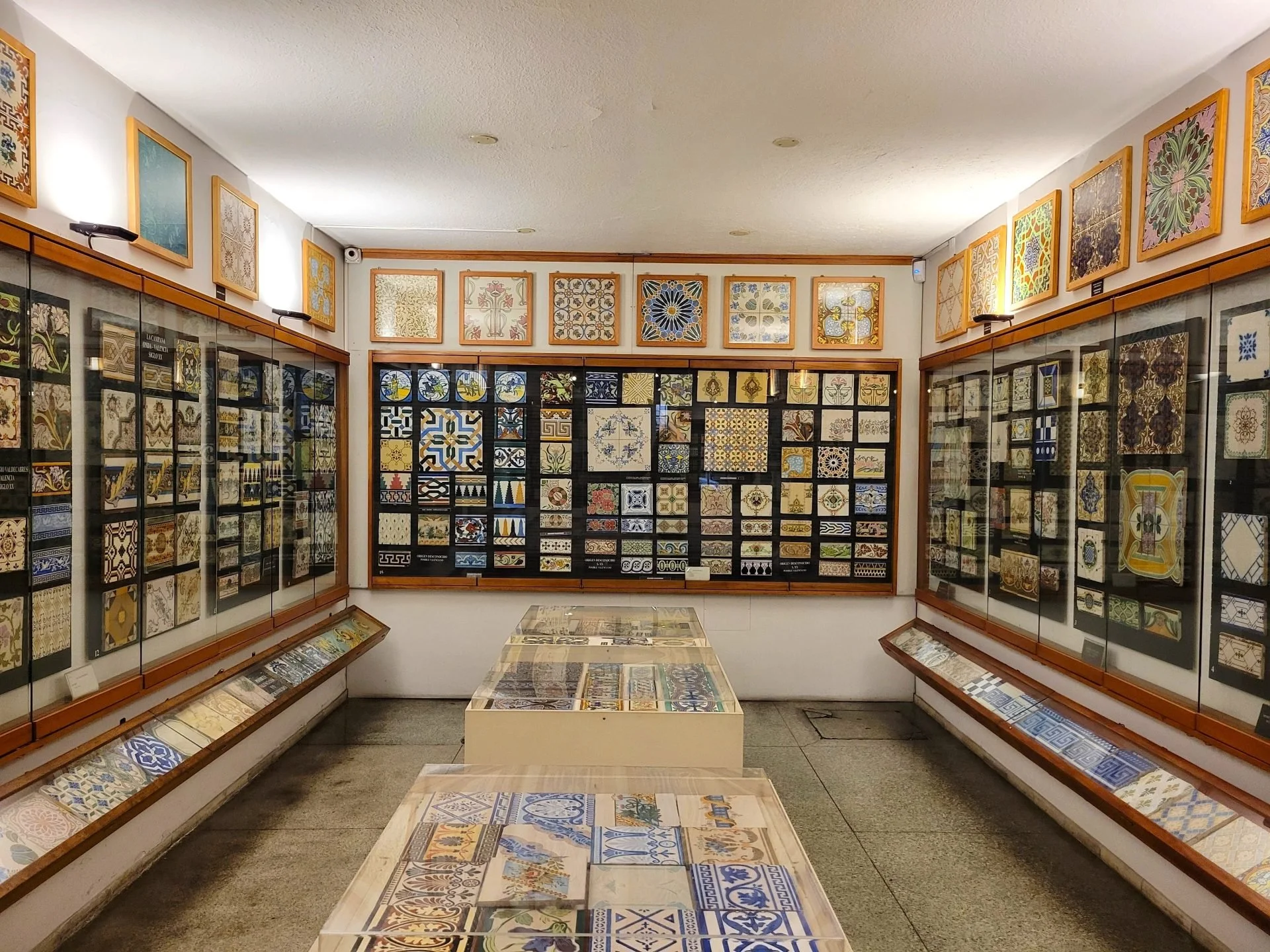
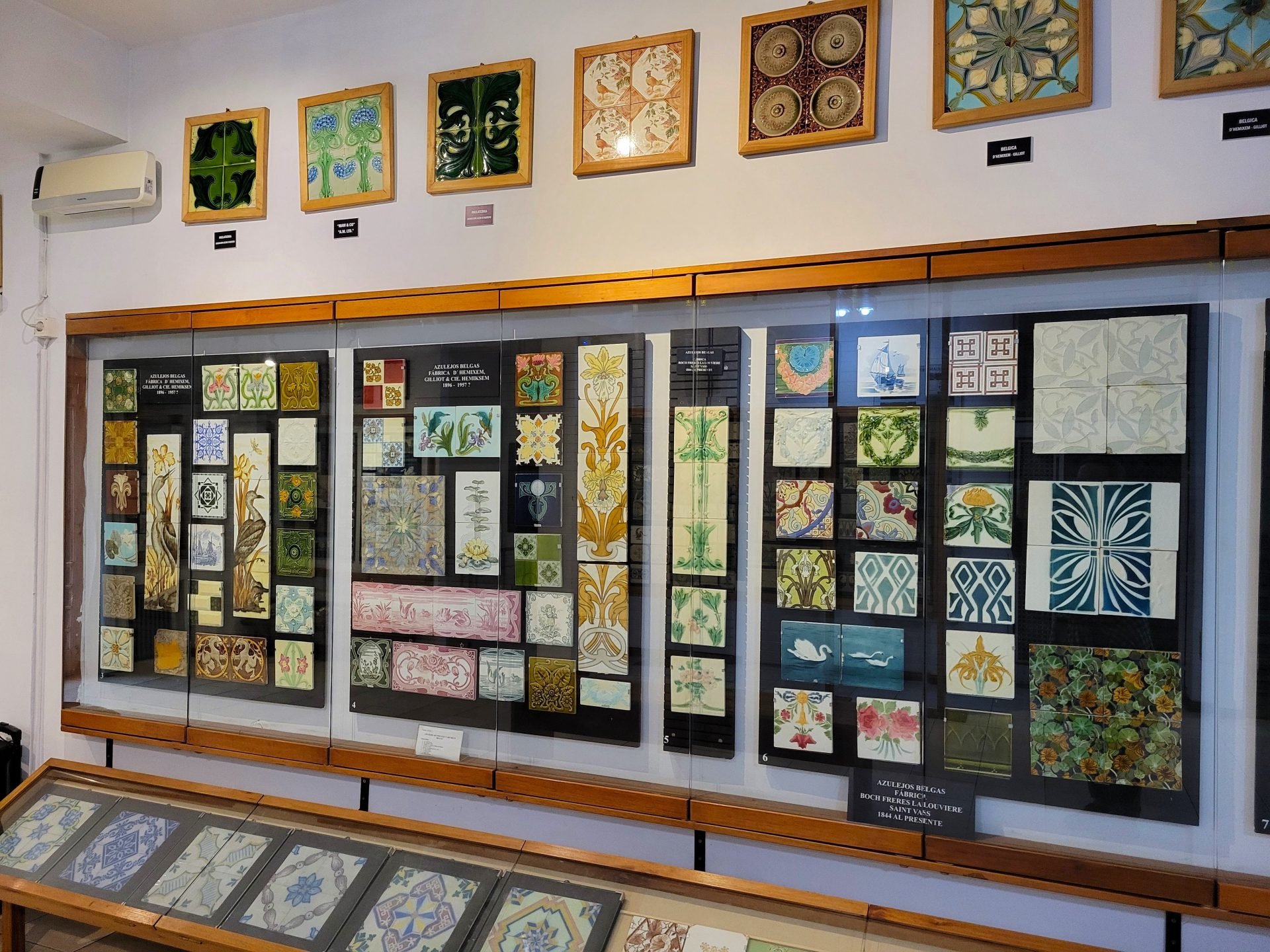
Hidden on a side street near the shopping district and just a block from the Engelman Ost Collecion is the Museo del Azulejo. This free museum has multiple rooms on two floors stuffed with a wide variety of tiles. The tiles were categorized by origin, with many coming from different parts of Europe. There’s even a section for ones recovered from a shipwreck. We both enjoyed the quick stop.
Museo Gurvich
Dedicated to the artwork of Uruguayan artist José Gurvich, the Gurvich museum has 3 floors of space for his work and 2 floors open for rotating artists. His paintings had various styles that were pretty interesting, with some cool cityscapes and other cubist inspired flavor. He grew up admiring Torres García and it’s evident in his work. The museum often hosts groups of school kids, with a workshop area where they can create their own art. We ran into one such group during our visit. And then…
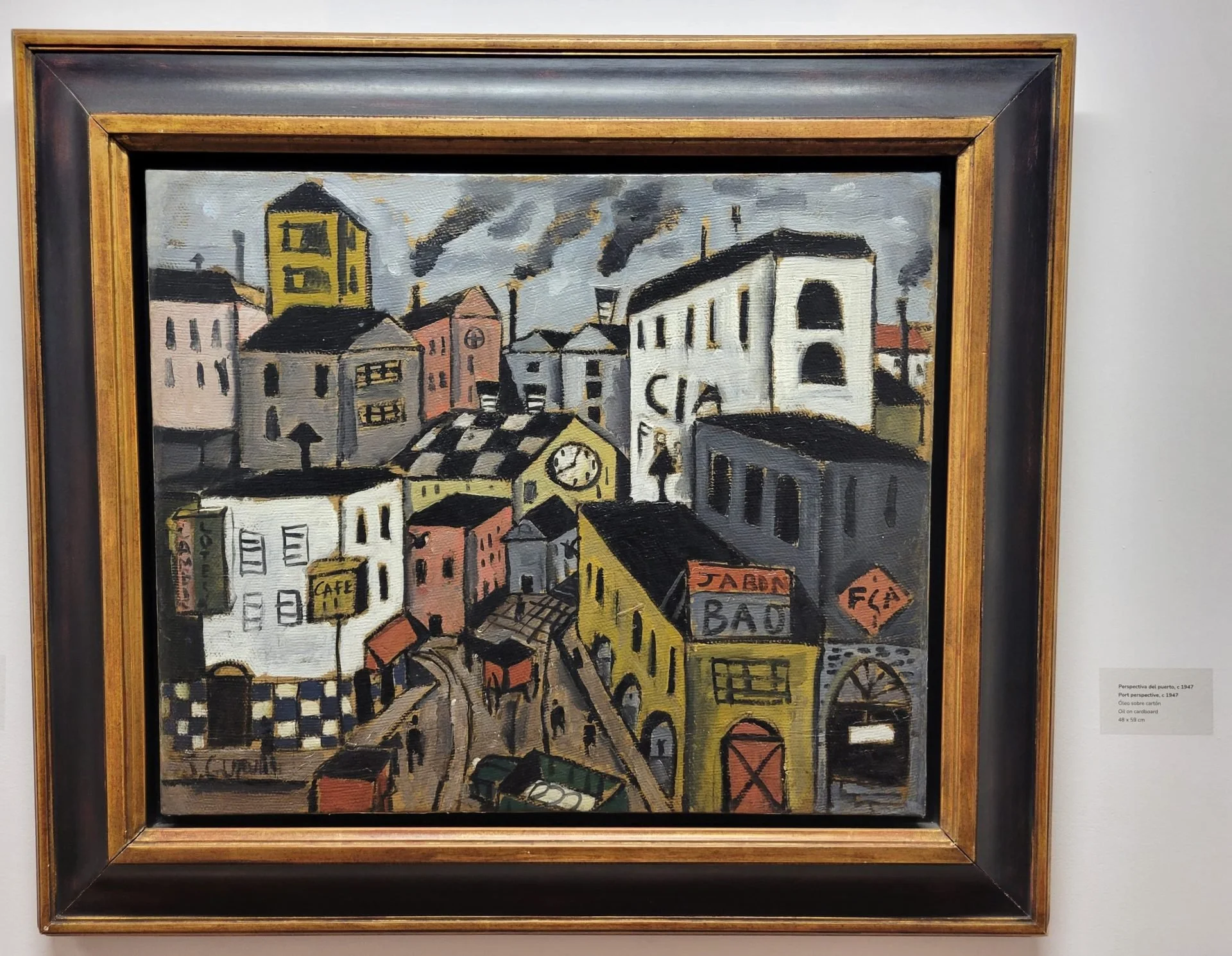
Port Perspective by José Gurvich
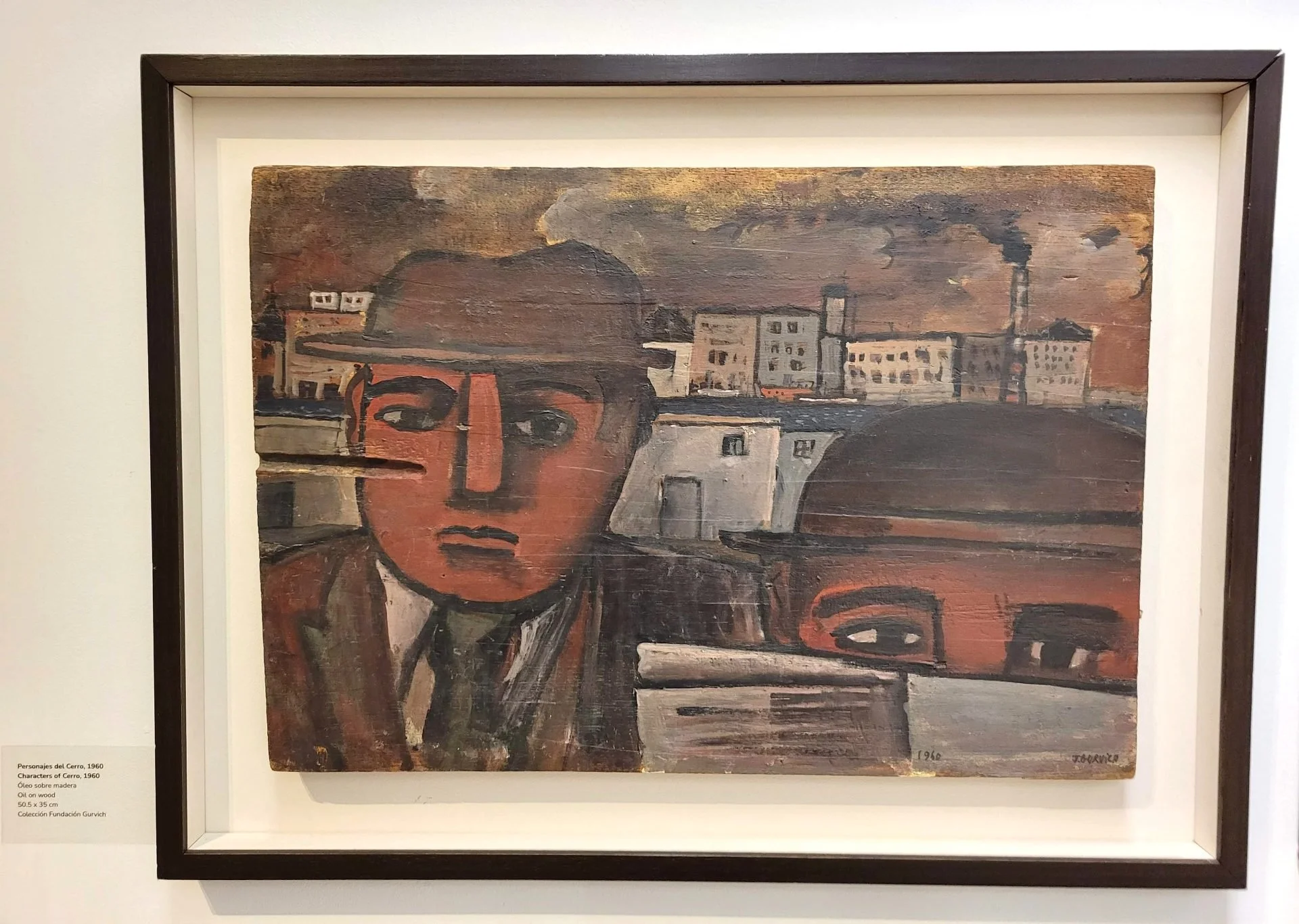
Characters of the Hill by José Gurvich
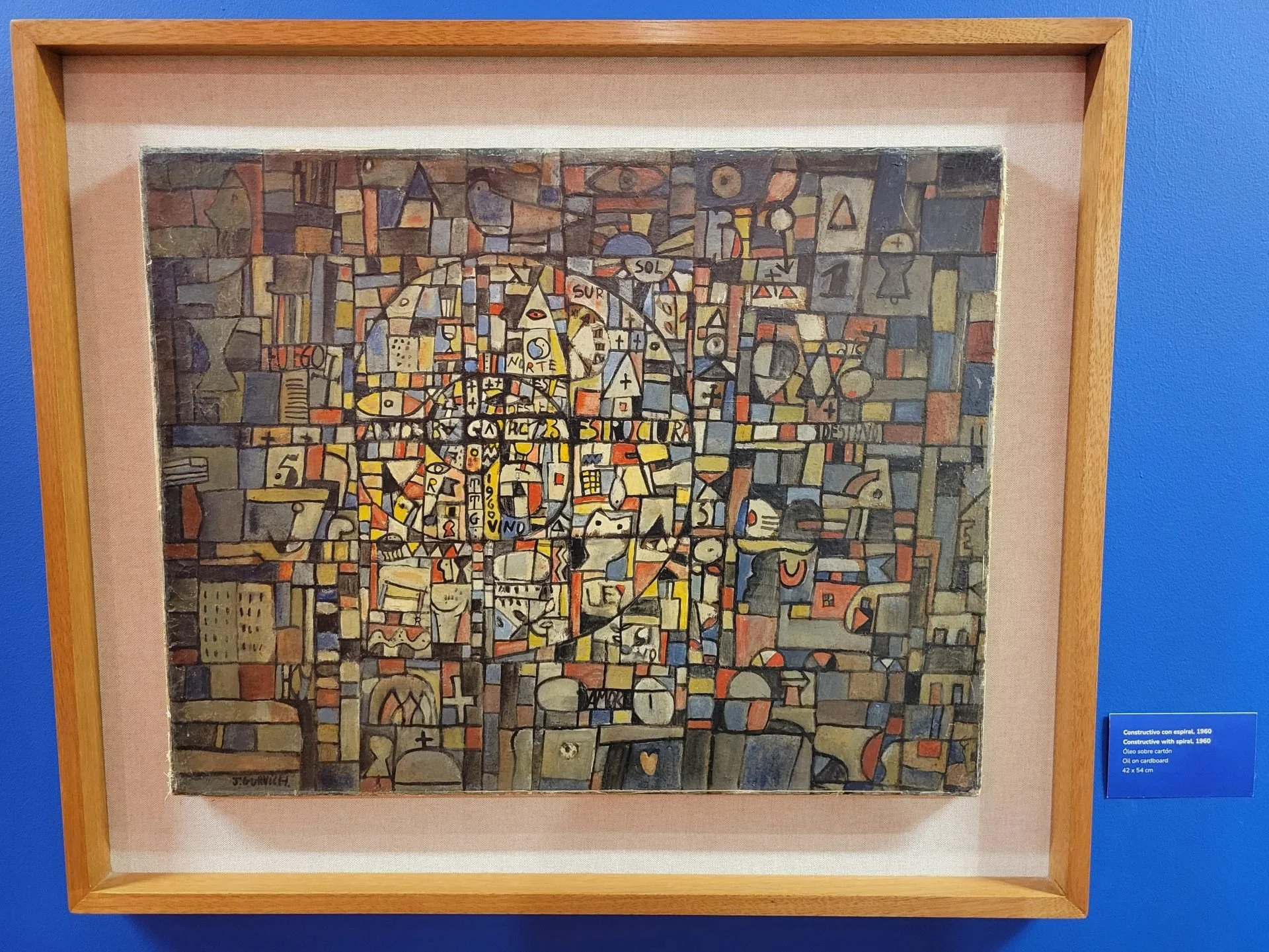
Constructive With Spiral by José Gurvich
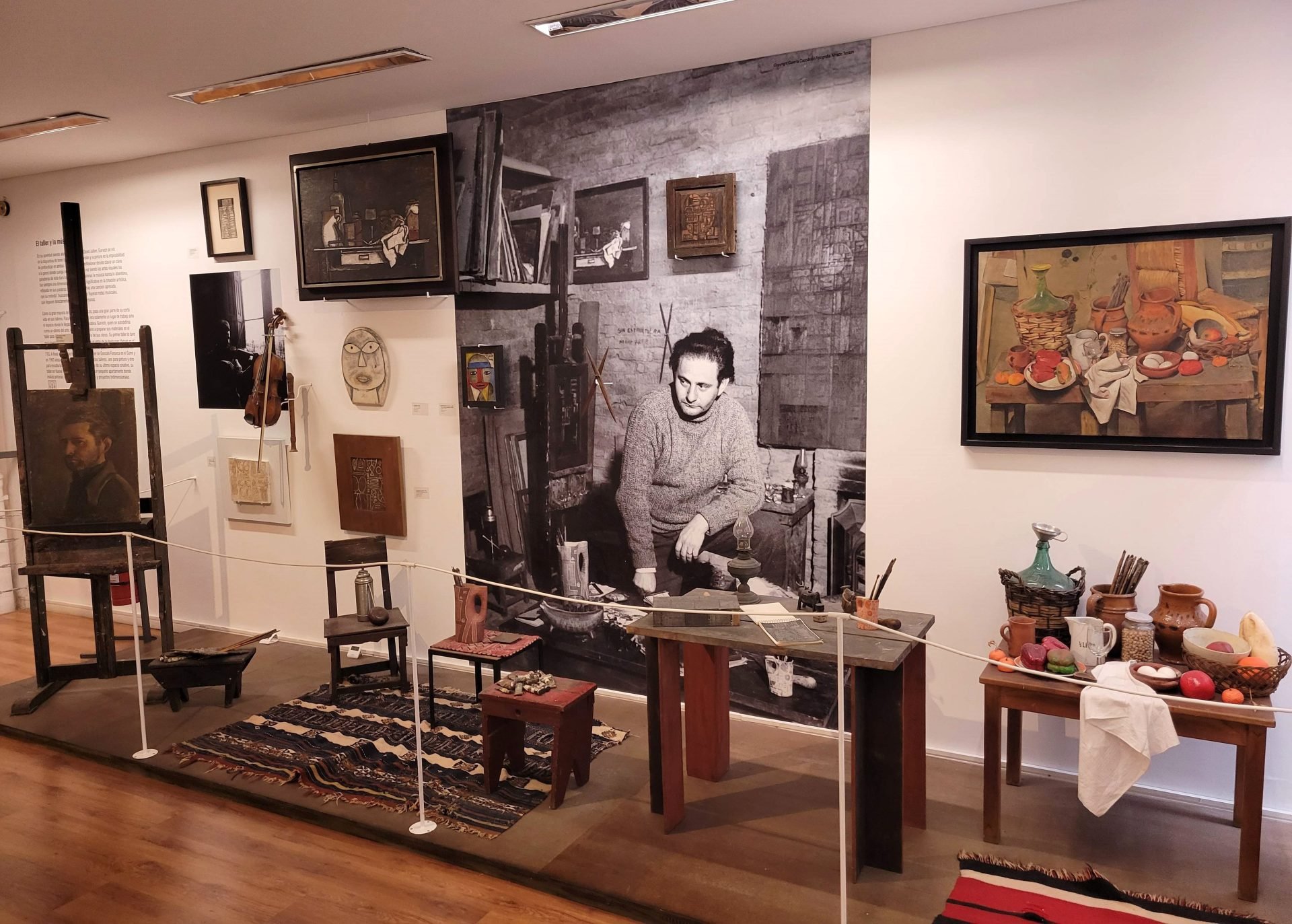
Display with a self portrait (left), photograph of José Gurvich, and a still life painting
La Gripe
About 2 days after our visit to the Gurvich Museum, I started to feel some sickness coming on. About 2 days after that, Katie started getting sick too. In Uruguay they call it La Gripe, which is the flu. It really kicked our butts and we were both wiped out for about a week. We were still feeling lethargic for at least another week after that too. I completely lost my voice, which Katie seemed to like a lot more than me. Neither of us lost our sense of smell, and there was a prevalent strain of influenza active in Montevideo at the time, so we are guessing that’s what got us. But we didn’t take COVID tests so I guess we don’t really know. But either way it was no joke and it limited some of the time we had to explore Montevideo.
B&B Remises Airport Transfer
Our flight out of Montevideo had a scheduled departure of 7:25am, which meant that we needed to leave for the airport at the ridiculous hour of 4:30am. While we took multiple Uber rides during our stay, I was worried about Uber availability at that early hour. Instead of gambling on that, I booked an airport transfer through the company B&B Remises. It was about twice the cost of Uber (I spent $37), but it was also quite possibly the most professional service I’ve ever received. I received email confirmations upon booking and paying, another reminder the day before, along with an actual picture of the driver coming to pick us up. The driver also showed up 10 minutes early, spoke perfect English, and overall it really set my mind at ease. They don’t have a location on Google Maps or any way to actually review them, so maybe this high praise will show up somewhere. They have my full recommendation.
Where We Stayed
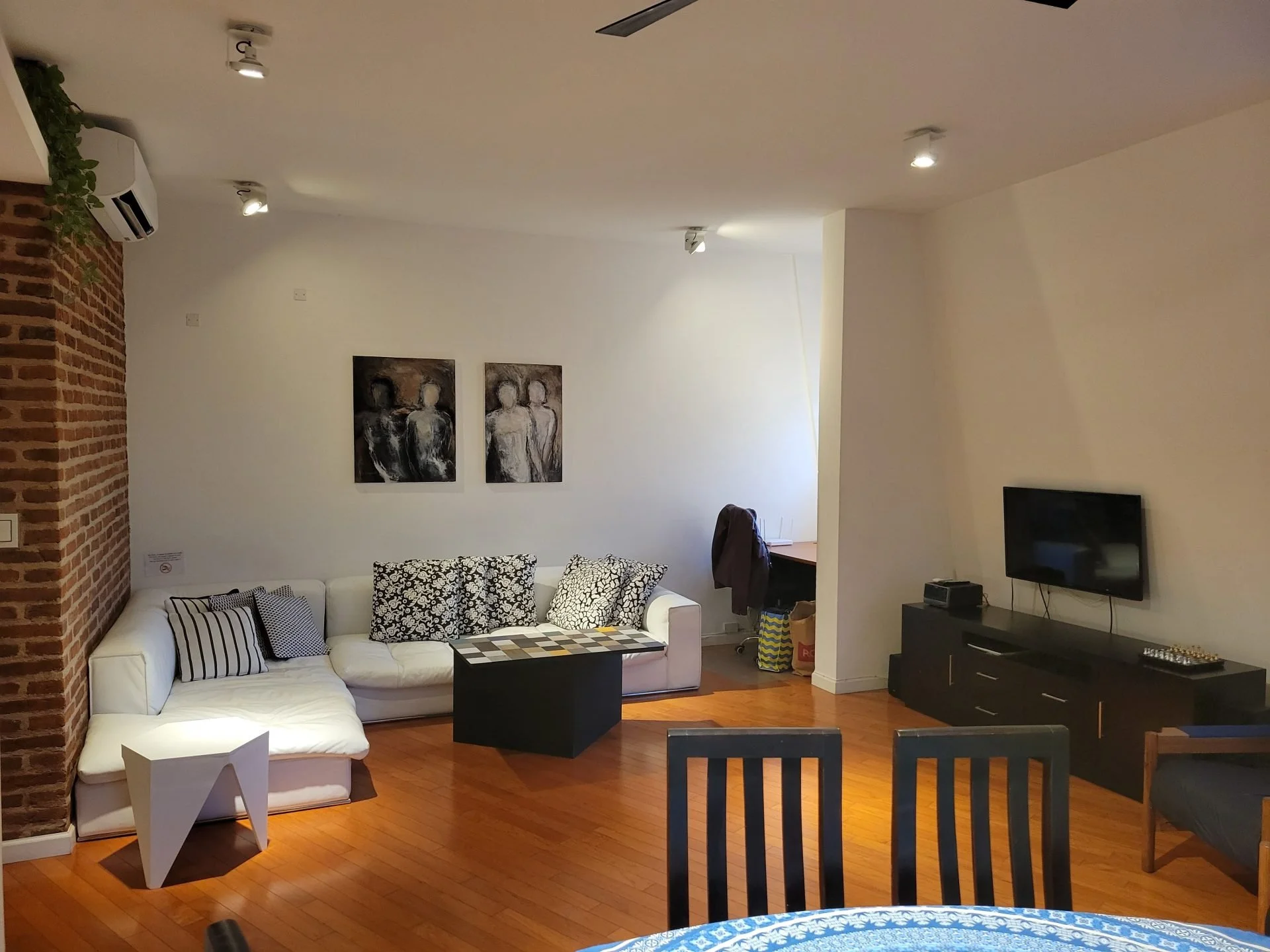
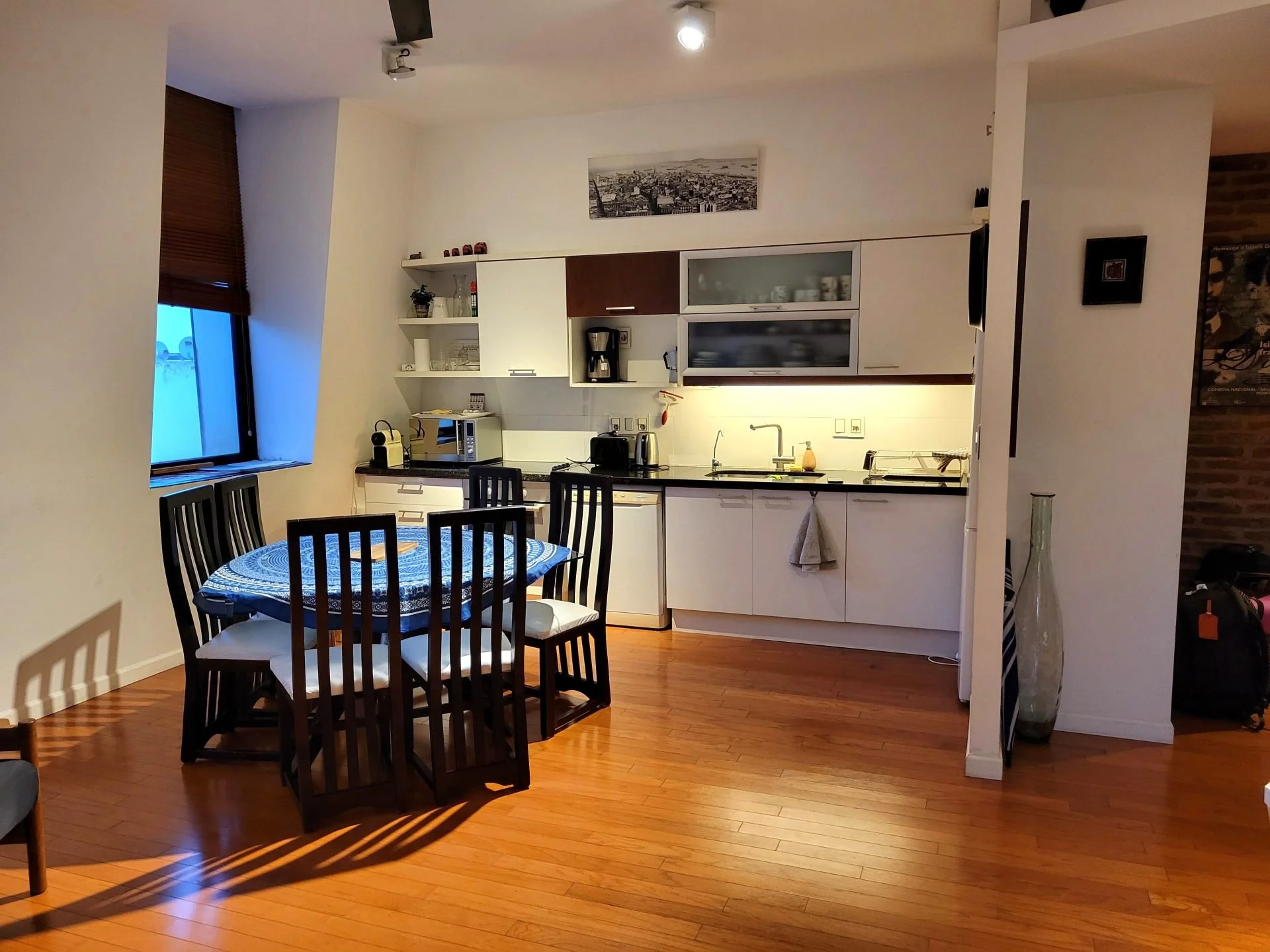
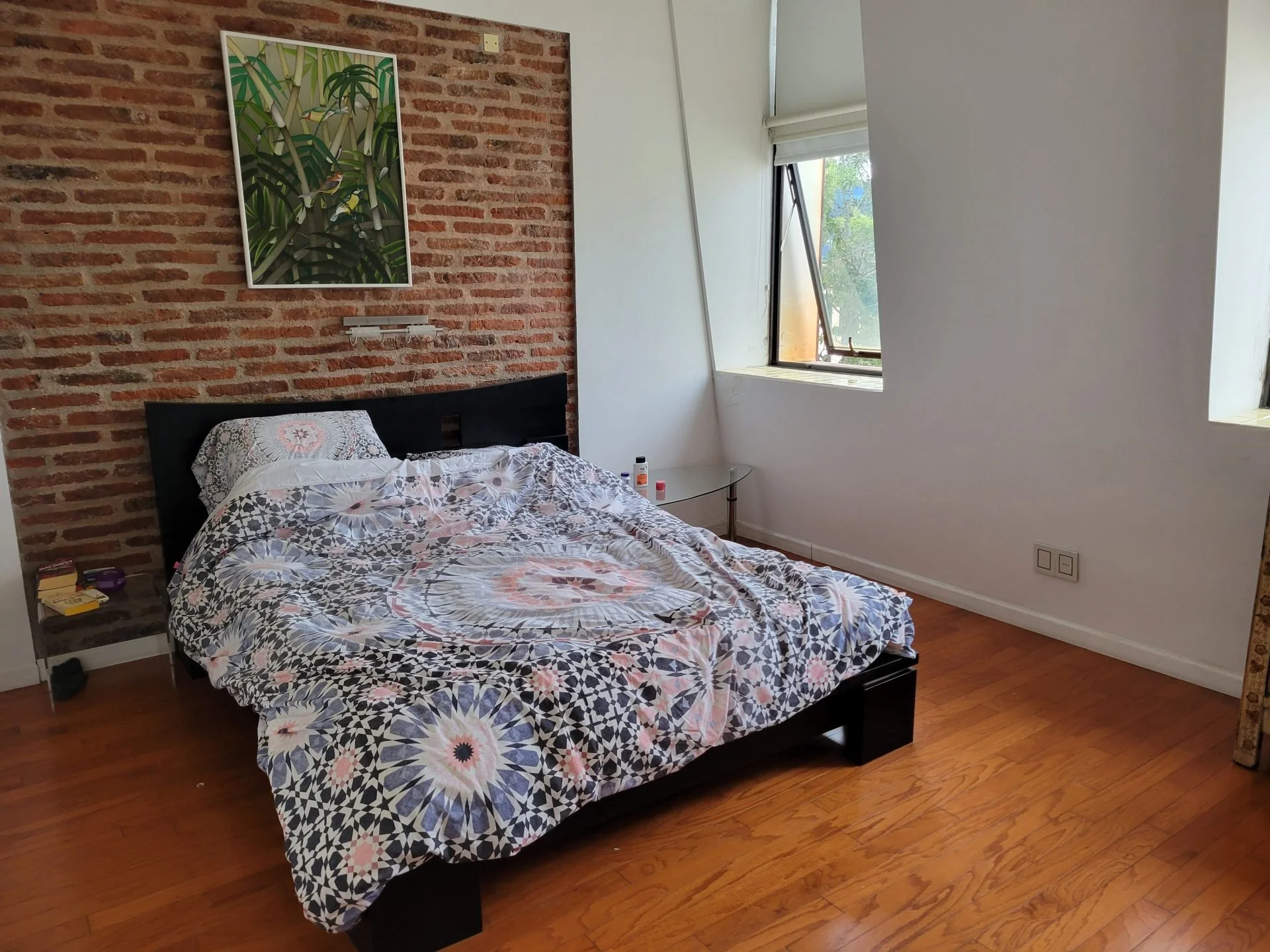
We rented a super fancy 2 bedroom 3 bathroom apartment with high ceilings in a prime location in the middle of the Old Town. The kitchen was very well stocked and we were happy to have the space when we were stuck inside fighting off those illnesses for half our stay. There was real art on the walls and great views overlooking a small plaza. It’s actually the most we’ve ever paid for an apartment at just over $1800 for the month. The decision to splurge on this place was made while we were stuck in the dark and loud apartment in Mendoza. That Mendoza apartment was pretty cheap, so we applied some of the savings to this much nicer one. We have our sights set on Western Europe soon, so I’m sure this record won’t stand for long, but for the moment, Montevideo holds the title for our most expensive apartment.
What We Spent
Our overall spending was pretty high, mostly due to our apartment splurge. But we also added another $400 in routine doctor visits (not associated with getting sick). Prices for groceries or bakeries were definitely higher than what we’ve been seeing elsewhere, but we ended up eating a lot of simple meals and soups due to being sick for so long. That meant we didn’t actually spend more in this category than we have been. Nevertheless, at $3294, or almost $110/day, we had our second most expensive month ever. This slightly surpassed Graz and Mexico City, but came in just barely below Trieste.
Overall we enjoyed Montevideo. It has kind of a laid back vibe and definitely quiets down after dark, but that’s perfect for us. The museums were plentiful for a city of its size, so much so that we weren’t able to see all of them we wanted in our two healthy weeks. Wandering around and viewing the varied architecture was one of our favorite activities. And strolling along La Rambla was hard to beat. It turned out to be a nice place for a couple people who like to be home before dark. Montevideo is more expensive than it’s neighbors, but we felt it was worth the price.
A big thank you to Eric from Bonus Nachos for letting us share his experience in Montevideo. We hope you enjoyed the read as much as we did.